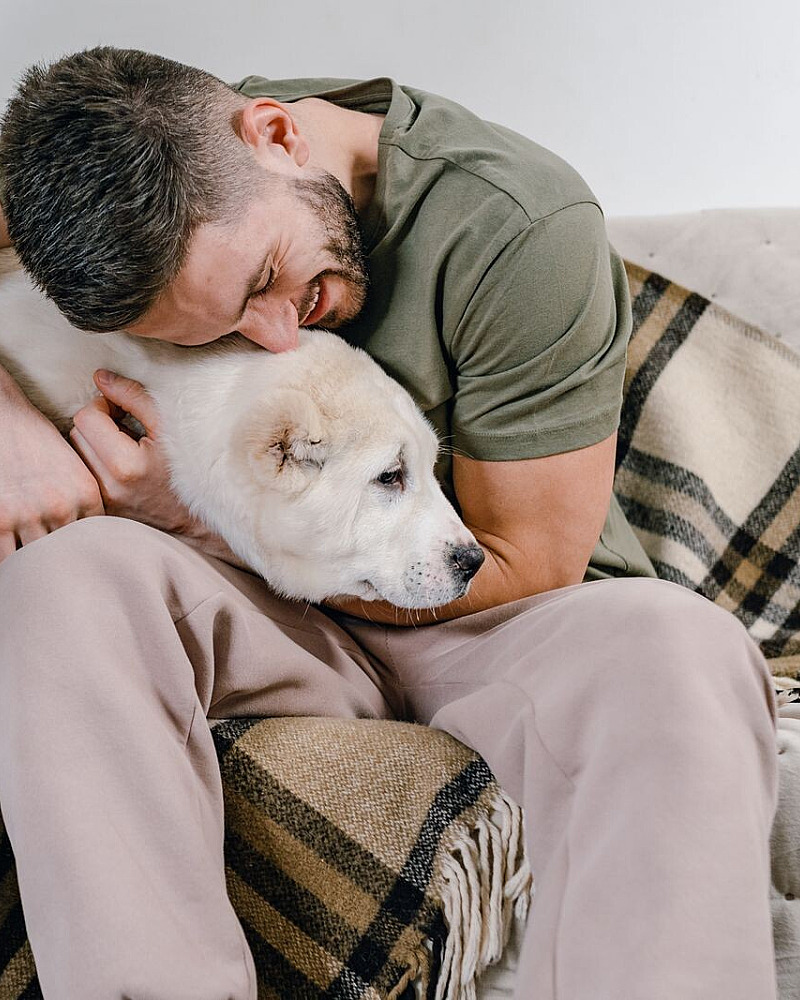
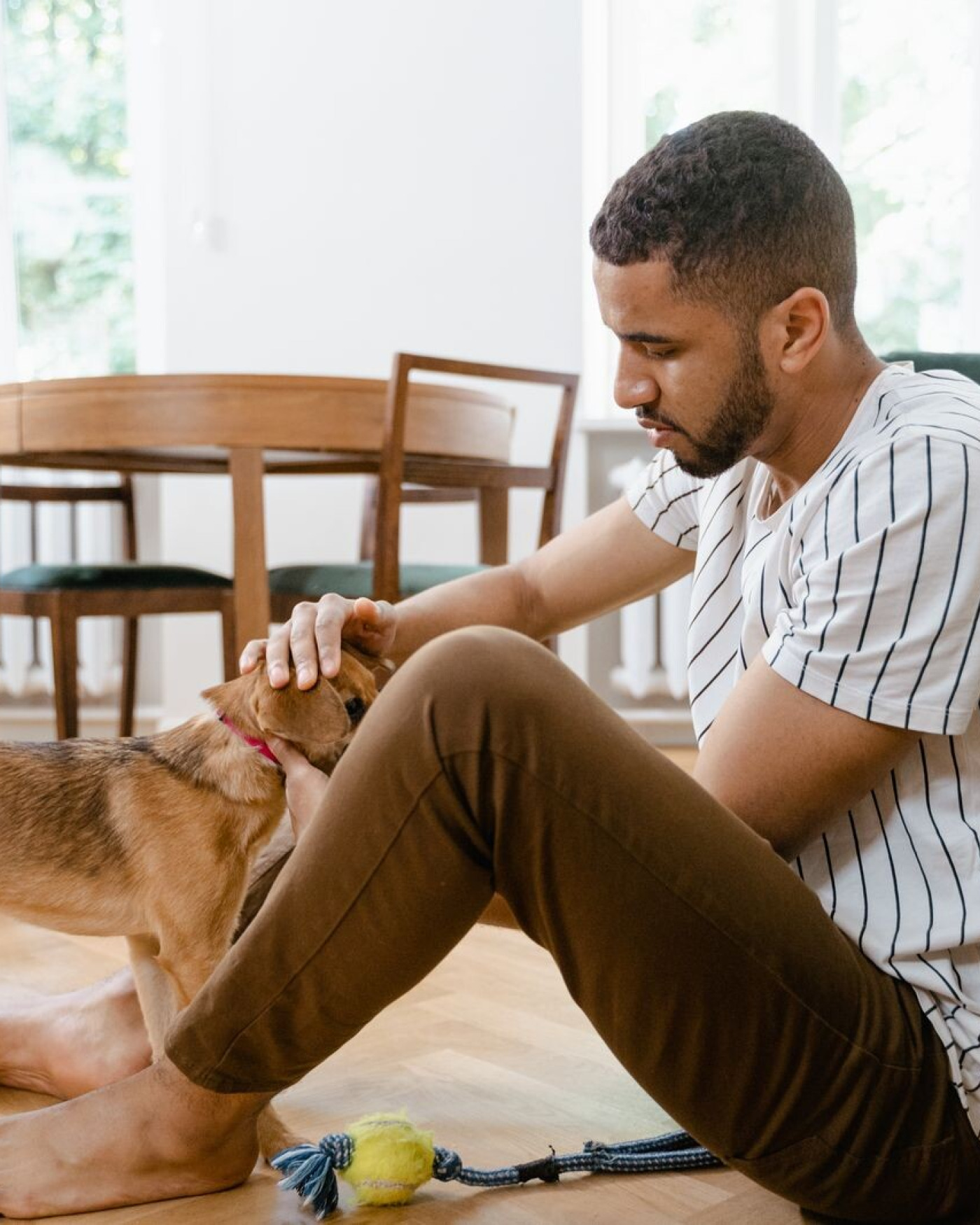
Adopting an adult dog is not a second-best option compared with buying a puppy. Their personality, size and energy level are easier to see, and there may already be useful information about children, cats, visitors and time alone. You still need to understand why the dog is being rehomed, what they have experienced and whether your household is genuinely suitable.
Shelter, rescue or private rehoming?
Staff at a Dutch shelter will generally have observed the dog and arranged a health check. A specialist rescue or breed club may know a particular type well. With private rehoming, you can speak directly to the current keeper and meet the dog in familiar surroundings. No route is automatically safe or unsafe: transparency, knowledgeable support and time to decide matter most.
Do not choose from photographs alone. Energy, prey drive and need for company have to fit daily life. Use the questions in which dog breed suits me?, including for a crossbreed, and compare current options with the broader guidance in the puppy-buying checklist.
Ask for the complete, specific story
“Cannot live with cats” becomes useful only when you know what happened, at what distance and how often. Ask for the same detail about children, dogs, visitors, driving, grooming and walks. Collect at least:
- the real reason for rehoming and how long the dog has lived there;
- daily routine, exercise, food, sleeping place and time left alone;
- responses to people, animals, sounds, touch, food and toys;
- training, any bite incidents and previous professional support;
- medical history, medication, insurance implications and vet records.
Behaviour problems do not make every dog impossible to place, but they must suit your experience, home and budget. A dog with separation distress needs care and a gradual plan; read what home-alone training actually involves.
Meet more than once
Meet the dog several times if possible. Walk together somewhere quiet, observe recovery after an unexpected event and avoid constantly testing obedience. All household members should meet the dog. Introduce an existing dog on neutral ground with distance, two handlers and no pressure to interact.
A trial period can help, but agree beforehand who is responsible for costs, damage and medical decisions, and what happens if the placement fails. Moving is stressful, so the first day's behaviour is not a final personality assessment.
Check health, microchip and passport
Ask to see the EU pet passport, vaccination record and relevant test results. Discuss existing problems openly and consider an independent veterinary check before final transfer. A chronic condition may be manageable when treatment, costs and expectations are clear. Make a realistic budget with the costs of keeping a dog.
A dog transferred to a new keeper in the Netherlands must be microchipped, registered and have a valid EU pet passport. The former keeper deregisters the dog and the new keeper registers it according to RVO rules, generally within two weeks. Match the chip in the dog to the passport and database. See the complete handover check in microchipping, registration and the dog passport.
Read the agreement before accepting
Put the identities of both parties and the dog, health and known behaviour, payment, ownership, trial period and return arrangements in writing. Pay attention when an organisation retains ownership while nearly all costs and liability fall to you. “Adoption” is not a separate legal form of ownership. Ask for explanations and never sign under time pressure.
Take extra care when a foreign dog is handed over directly from transport, an airport or a car park and could not be met beforehand. Verify origin, import registration, rabies vaccination and paperwork, and establish who will provide support.
Keep the first weeks small and predictable
Prepare a fixed resting place, familiar food and consistent house rules. Keep early walks manageable, limit visitors and allow plenty of sleep and observation. Do not immediately let the dog off lead; attachment and recall have not yet developed. Use a well-fitting harness and secure lead.
Reward desired behaviour and prevent situations the dog cannot yet handle. If you see fear, aggression, panic when alone or a serious issue that was not disclosed, promptly contact the rehoming organisation, your vet and a qualified behaviour professional. Early help reduces the risk of another move.
Could a puppy be a better fit?
An adult dog is not automatically easier. They may bring habits, medical needs or an unclear history. A puppy offers more influence from an early age, but requires intensive supervision, socialisation and training. Read about house training and puppy biting before assuming that young means uncomplicated.
Sources
- LICG – How to acquire an adult dog (accessed August 2026)
- LICG – Adoption and rehoming contracts (accessed August 2026)
- RVO – Rules for dog keepers (accessed August 2026)
- AVSAB – Positive Reinforcement with Your Newly Adopted Dog (accessed August 2026)