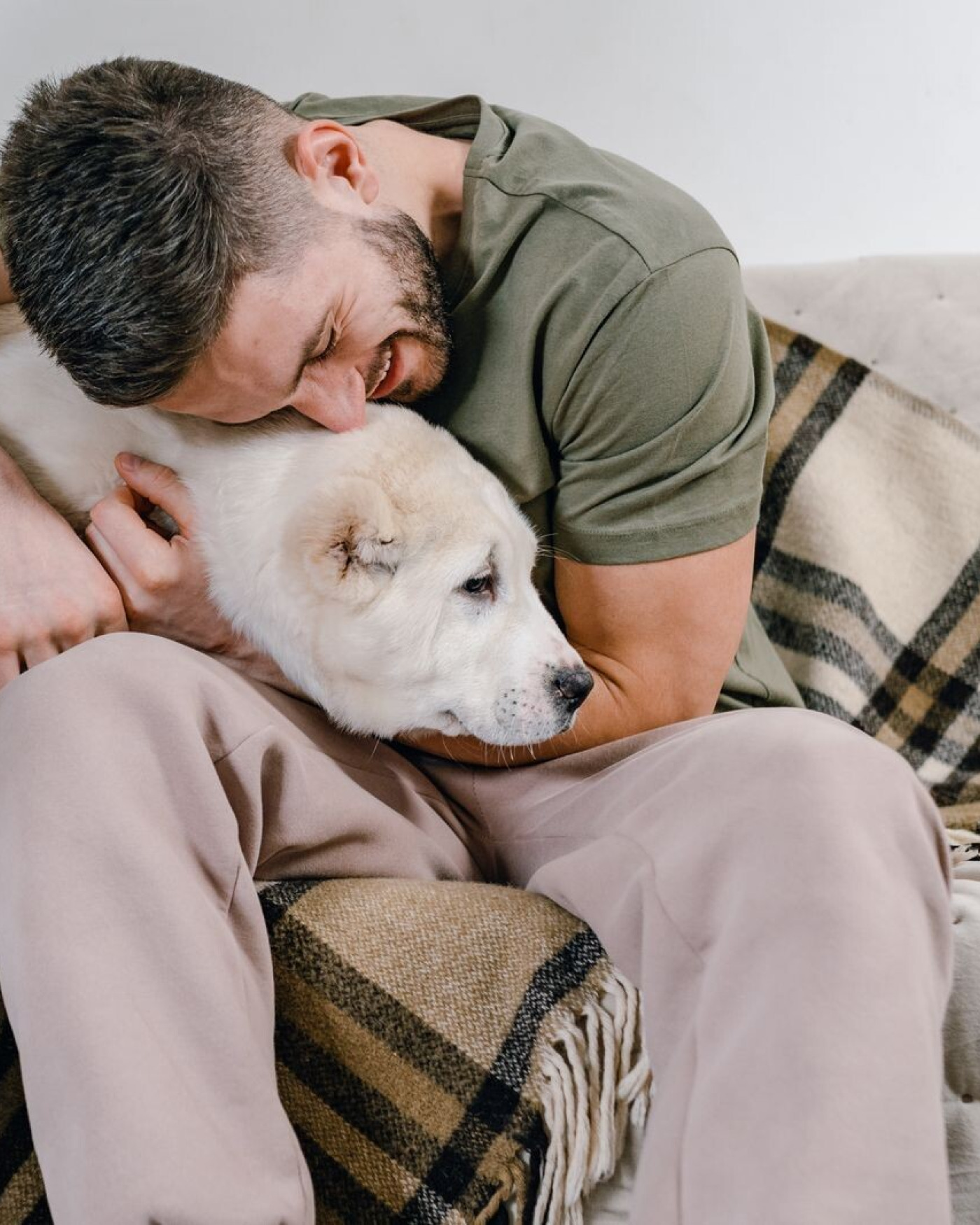
A divorce, a move, an allergy or simply too little time: the reason to part with your dog is rarely pretty and almost always sad. What you do control is how the goodbye goes. A careful rehoming takes weeks and an honest story, and results in a dog that does not have to move again.
If you are thinking of taking in an adult dog yourself, read adopting an adult dog; that is the view from the other side of the table.
May a private owner sell their dog?
Yes. Selling your own dog needs no licence, UBN or trader registration; those obligations apply to commercial breeders and traders. What RVO does require: your dog is microchipped, registered in your name and has an EU pet passport. After the handover you deregister the dog with your portal within two weeks and the new keeper registers the dog within 2 weeks; they need no UBN for that. How that works is explained in microchipping, registration and the dog passport.
First the honest question: can it be solved?
A dog that destroys things when alone can often learn otherwise; see teaching your dog to stay home alone. Behaviour you do not understand is a reason for a behaviourist, not for an advert. If the cause is final, such as an allergy or a move abroad, start early: a dog that "has to go this weekend" attracts the wrong replies.
Selling or rehoming?
If you ask an amount that covers what you invested in the dog, such as purchase, neutering and training, it is a sale. If you ask nothing or a symbolic adoption fee, it is a rehoming. Both are allowed. A small fee has one advantage: it keeps impulsive replies away. Giving the dog away for free is fine too, but still ask for a meeting and a conversation.
Write an honest profile
- Age, sex, breed or cross, neutered or not.
- Character in concrete situations: children, other dogs, cats, home alone, in the car, at the vet.
- Medical history and any medication. Hiding it leads to a return, or to a dog ending up with the wrong people.
- The reason for rehoming, in your own words. Buyers understand more than you think.
- Recent photos of the dog as it is now, not puppy photos.
Choose the new owner deliberately
Ask in the chat about living situation, working hours, experience with dogs and who is home during the day. Invite serious candidates for a walk and then a visit at home. Trust your instinct: someone who asks no questions about the dog is not the right person. Never hand over the dog without having met the new owner.
The handover
Put the agreements on paper: names and addresses of both parties, chip number, amount, date, and what you agree if it does not work out, for example a two-week trial period. Deregister the dog, pass on the registration number or safe code from your portal so the new keeper can register, and send along passport, bed, lead and a portion of familiar food. Offering a litter of puppies instead? Different rules apply; see selling puppies: what is allowed and required.
Posting an advert
The selling a dog page summarises the rules and lets you post an advert for free. Selling as a private owner and want to know exactly what is and is not required? Read selling a dog as a private owner.
Sources
- RVO – Owning, buying or selling a dog (accessed September 2026)
- LICG – Microchipping and registration (accessed September 2026)
- Rijksoverheid – Do I have to chip and register my dog? (accessed September 2026)
- LICG – How to acquire an adult dog (accessed September 2026)