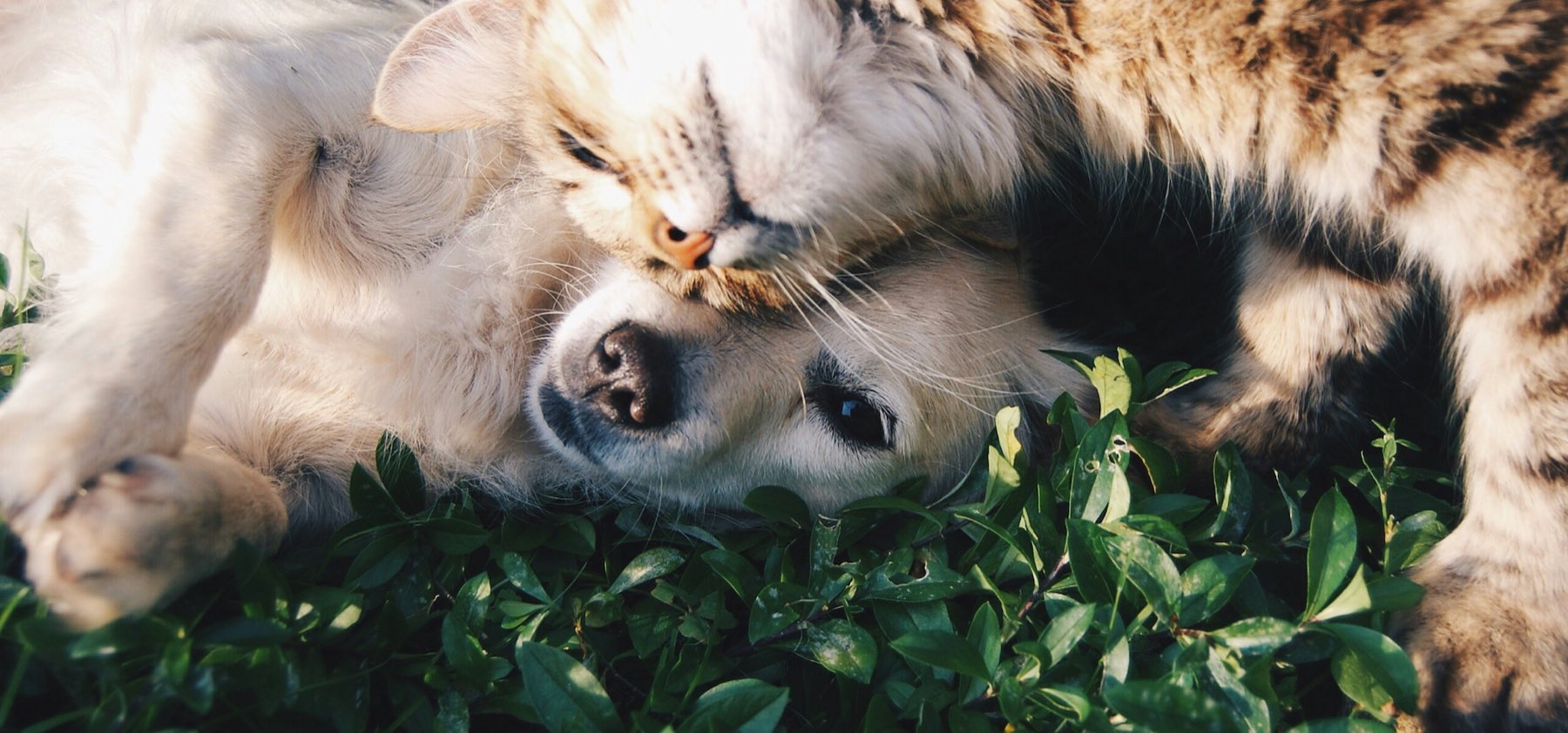
Continental Giant for sale in the Netherlands
The Continental Giant is a rabbit breed from Western Europe, related to Flemish Giant lines with an adult weight of At least about 6 kg. Often 7–10 kg. Its standard describes Short dense coat on a very long heavy body. Build and coat help determine the daily checks and care it needs.
Rabbits
Continental Giant
Get notified about new Continental Giant listings?
Receive at most one daily email when matching sale adverts become available.
This alert follows the animal type and optionally one breed and area. Other search filters, such as price, age, and distance, are not included.
No adverts found matching your filters.
Be one of the first to post your advert for free and stand a chance to win €50; sell via Nestjes and you can also win €100.
Create AdvertCharacteristics
- Origin
- Western Europe, related to Flemish Giant lines
- Weight
- At least about 6 kg. Often 7–10 kg
- Life expectancy
- Generally 7–12 years with good care
- Coat
- Short dense coat on a very long heavy body
- Character
- Often calm but very powerful and costly in space and care
- Housing
- Permanent spacious indoor or outdoor housing with run, digging opportunity and compatible neutered conspecific
Continental Giant: behaviour and suitability
Often calm but very powerful and costly in space and care. Temperament is never determined by breed alone: socialisation, health, hormones and previous housing influence every rabbit. Rabbits rest, feed, groom and explore with a compatible conspecific. A human or guinea pig cannot replace that contact. Always assess the actual animal and, when a trade label covers several species, verify the scientific name before acquisition. Age, sex, health and previous housing can noticeably influence behaviour.
Care and housing
The coat needs care suited to its type: Short dense coat on a very long heavy body. Also check nails, foot pads and the area beneath the tail. Provide unlimited clean hay, daily leafy greens, measured complete food, water from a bowl and room to run fully, jump, dig and stand upright. Do not use a small hutch as permanent housing. Set up the complete enclosure before the animal arrives and record relevant values and daily behaviour. A sudden change in appetite, activity, breathing, posture or droppings calls for a check of the environment and, where needed, knowledgeable help.
Health and responsible acquisition
Use a full room or large predator-proof run without high jumps and check feet, joints and handling daily. Extreme record weights are not a welfare goal. Check appetite, droppings, nose, eyes and movement daily and weigh regularly. Not eating or producing clearly fewer droppings is a same-day emergency for a rabbit-knowledgeable veterinarian. Ask about vaccination against myxomatosis and RHD. Ask the seller about age, origin, current care and known health problems, and ensure any documents belong to the animal offered. Never choose on colour, size or price alone, and identify a knowledgeable veterinarian or other species expert before urgent problems arise.
Related articles
 Rabbits
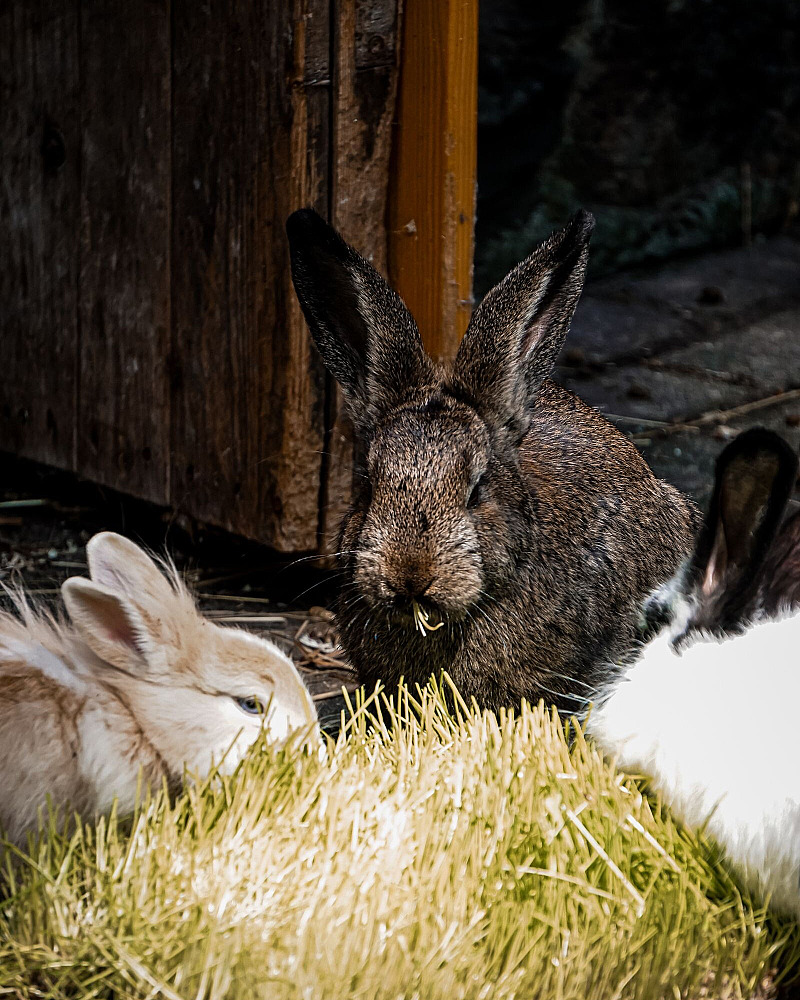
Selling Rabbits: In Pairs, at the Right Age and with an Honest Advert
Rabbits are social animals and young rabbits may legally leave only from 6 weeks, better 8. How to sell rabbits without them leaving lonely or too early.
3 min read · 16-09-2026
 Rabbits
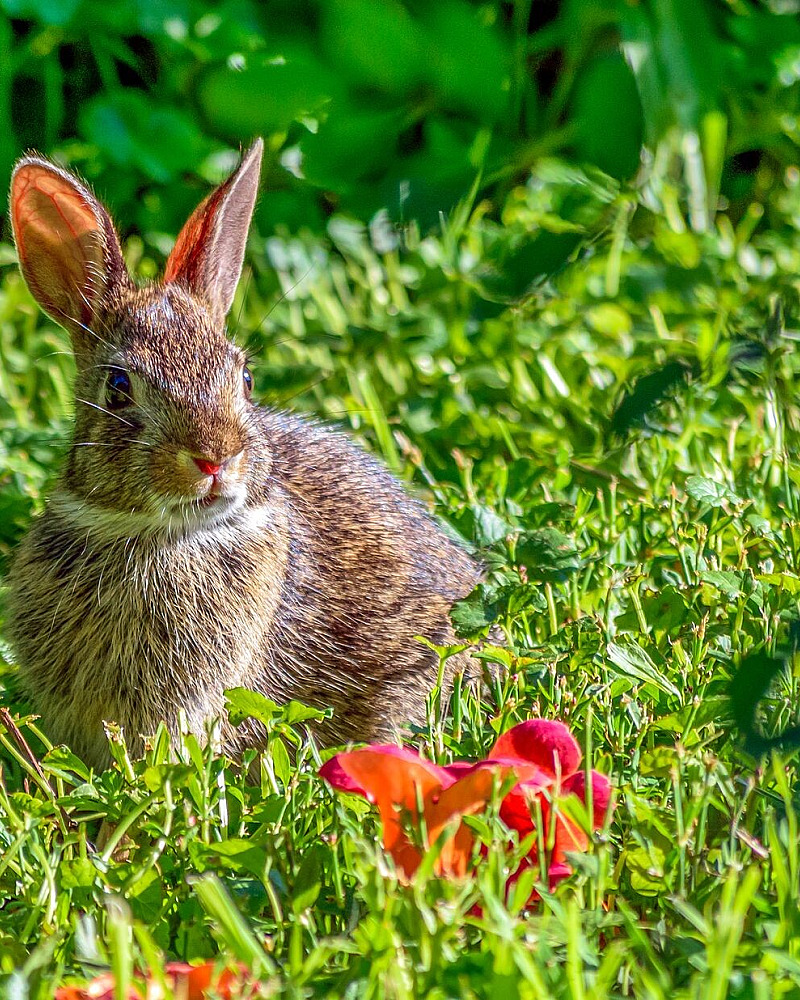
Keeping Rabbits Cool in Hot Weather
Rabbits overheat easily. Provide all-day shade, cool surfaces and several water points, and learn the signs of heatstroke.
1 min read · 03-08-2026
 Rabbits
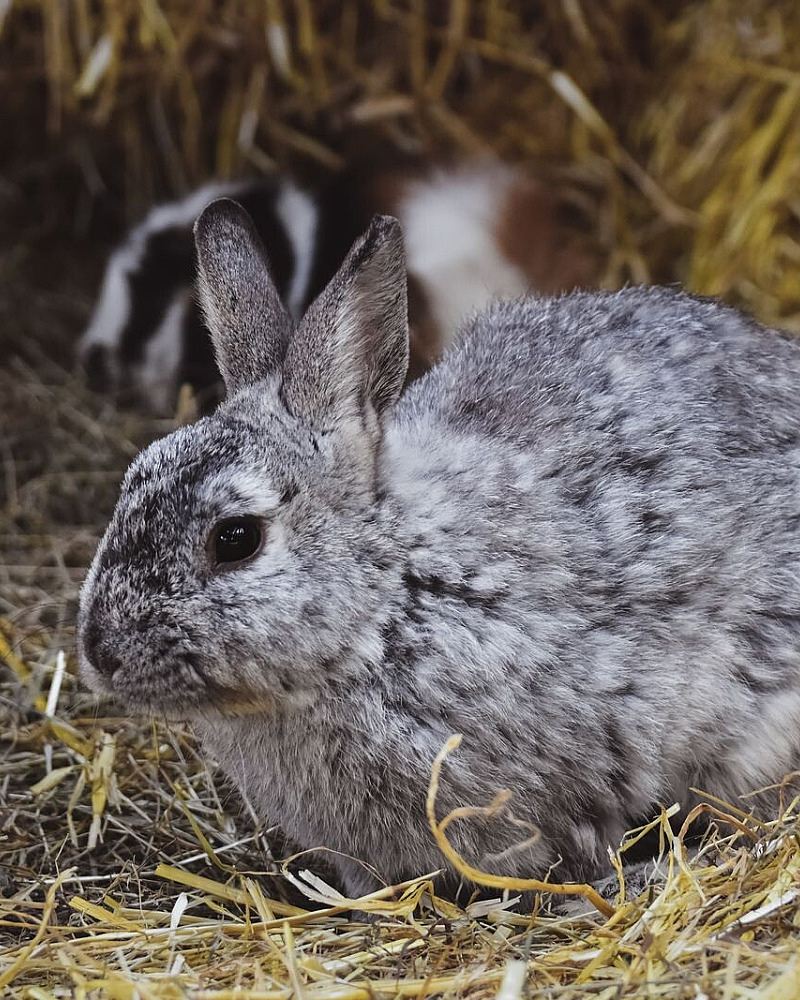
Rabbit Not Eating: Why Gut Stasis Cannot Wait
Loss of appetite and fewer droppings are urgent signs in rabbits. Learn what to observe, when to call and why the underlying cause matters.
1 min read · 01-08-2026
Continental Giant in other provinces
Offering a litter of rabbits yourself?
Post a free rabbit advert and reach buyers across the Netherlands.