Millipedes for sale in the Netherlands
Millipedes are calm detritivores with two pairs of legs per visible body segment. They live largely in and on a deep layer of decomposed leaves and wood. That substrate is both habitat and primary food.
No Millipedes for sale yet? Get an email when one is listed
Leave your email address. As soon as a Millipedes is listed for sale, you get at most one email a day.
This alert follows the animal type and optionally one breed and area. Other search filters, such as price, age, and distance, are not included.
No adverts found matching your filters.
Be one of the first to post your advert for free and stand a chance to win €50; sell via Nestjes and you can also win €100.
Create AdvertCharacteristics
- Origin
- Humid forest floors in Africa, Asia and the Americas, depending on species
- Length
- About 5–30 cm in hobby species
- Life expectancy
- About 3–10 years
- Housing
- Ventilated terrarium with very deep food-rich forest substrate and stable moisture gradient
- Suitable for
- Calm observation keeper who washes hands after contact with defensive secretion
Millipedes: behaviour and suitability
Millipedes burrow, eat decaying plant matter and coil when threatened. Many release an irritating fluid. Handling should be limited and never occur near eyes or mucous membranes. Always assess the actual animal and, when a trade label covers several species, verify the scientific name before acquisition. Age, sex, health and previous housing can noticeably influence behaviour.
Care and housing
Use pesticide-free decayed hardwood and leaf litter at least as deep as the animal is long, with a calcium source and ventilation. Coconut fibre alone is not complete food and an over-wet enclosure suffocates the substrate. Set up the complete enclosure before the animal arrives and record relevant values and daily behaviour. A sudden change in appetite, activity, breathing, posture or droppings calls for a check of the environment and, where needed, knowledgeable help.
Health and responsible acquisition
Inspect legs, body wall, mites and moulting problems and ask about species and captive origin. Avoid wild-caught animals and wash skin immediately when defensive secretion is released. Ask the seller about age, origin, current care and known health problems, and ensure any documents belong to the animal offered. Never choose on colour, size or price alone, and identify a knowledgeable veterinarian or other species expert before urgent problems arise.
Related articles
 Invertebrates
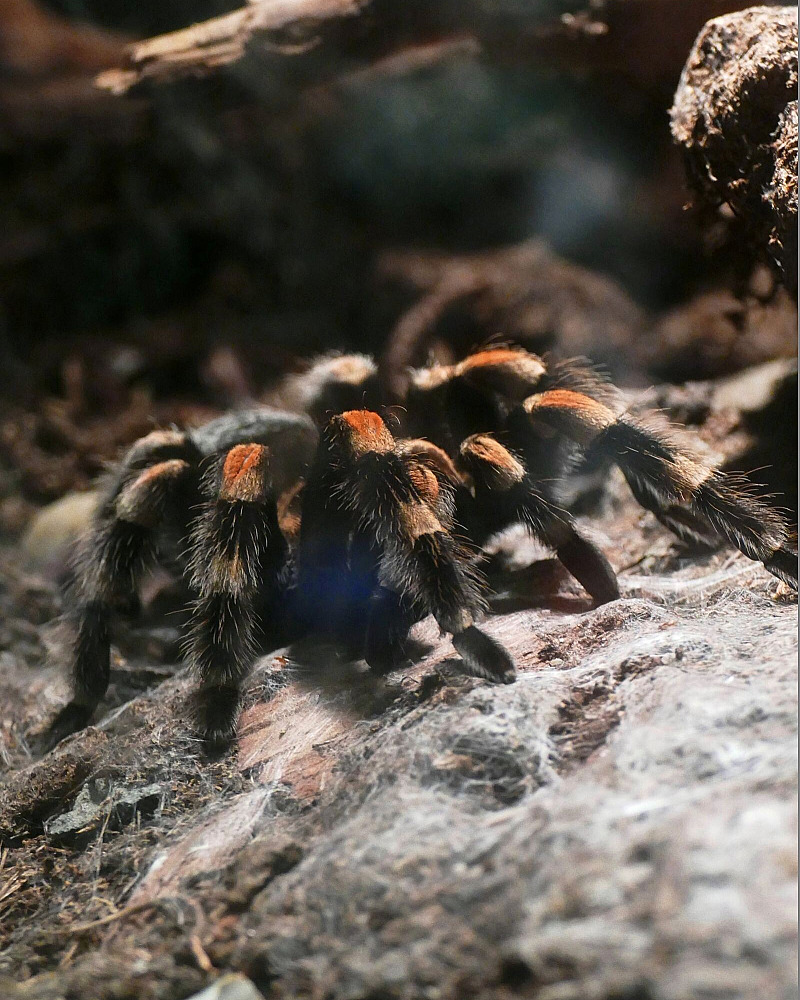
Keeping a tarantula: terrarium, feeding, moulting and safe handling
A tarantula is quiet and needs little space, but a female can live for decades. Read how to set up the terrarium, what to feed, what to do during a moult and how to stay safe from urticating hairs and bites.
9 min read · 28-10-2026
 Invertebrates
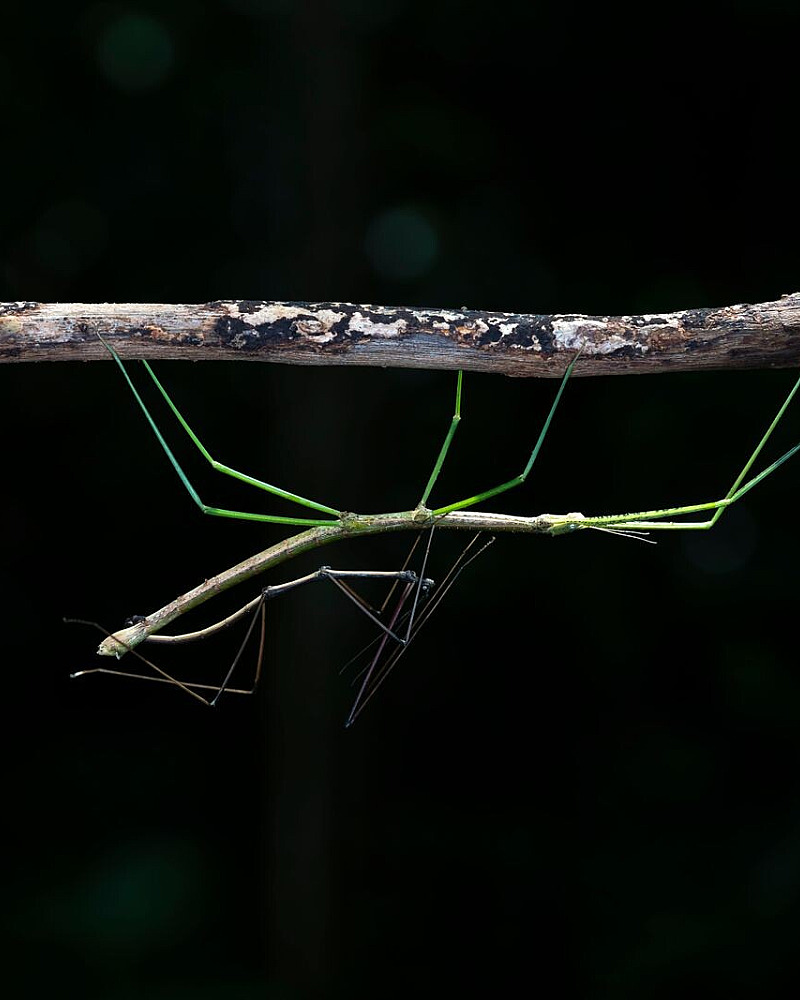
Keeping Stick Insects: Enclosure, Food and Eggs
Stick insects look like an easy pet, but they need height, fresh unsprayed leaves and a plan for their eggs. Read what to arrange before you start.
6 min read · 30-09-2026
Millipedes in other provinces
Offering invertebrates yourself?
Post a free advert and reach enthusiasts across the Netherlands.