Sugar Glider for sale in the Netherlands
The sugar glider is not a rodent but a nocturnal marsupial that glides through forest canopies in social groups. The species is absent from the Dutch house and hobby animal list: breeding and new import are not permitted, but a demonstrable transitional animal may be transferred.
Rodents
Sugar Glider
Get notified about new Sugar Glider listings?
Receive at most one daily email when matching sale adverts become available.
This alert follows the animal type and optionally one breed and area. Other search filters, such as price, age, and distance, are not included.
No adverts found matching your filters.
Be one of the first to post your advert for free and stand a chance to win €50; sell via Nestjes and you can also win €100.
Create AdvertCharacteristics
- Origin
- Australia, Indonesia and Papua New Guinea
- Length
- Head-body about 16–21 cm, tail 16.5–21 cm
- Life expectancy
- About 14 years
- Activity
- Nocturnal. Climbs, jumps and glides
- Character
- Social, territorial and organised in a dominance hierarchy
- Housing
- Legal only under transitional law. Specialised arboreal group housing is required
Sugar gliders: behaviour and suitability
Sugar gliders live in groups of six to seven adults with their young. Older dominant males defend the territory. Social bonds and hierarchy must remain intact and manageable in housing and transfer. Always assess the actual animal and, when a trade label covers several species, verify the scientific name before acquisition. Age, sex, health and previous housing can noticeably influence behaviour.
Care and housing
A legally existing group needs spacious tall housing with branches, secluded nest sites and extensive opportunities to climb, glide, mark and forage for prolonged periods. The species is adapted to tropical and subtropical conditions and has a complex omnivorous diet. Set up the complete enclosure before the animal arrives and record relevant values and daily behaviour. A sudden change in appetite, activity, breathing, posture or droppings calls for a check of the environment and, where needed, knowledgeable help.
Health and responsible acquisition
When transferred, ask for and retain proof that every animal falls under transitional law. Assess group composition and body condition carefully. RVO places the species in high welfare-risk class E and identifies obesity among the risks in captivity. Ask the seller about age, origin, current care and known health problems, and ensure any documents belong to the animal offered. Never choose on colour, size or price alone, and identify a knowledgeable veterinarian or other species expert before urgent problems arise.
Related articles
 Rodents
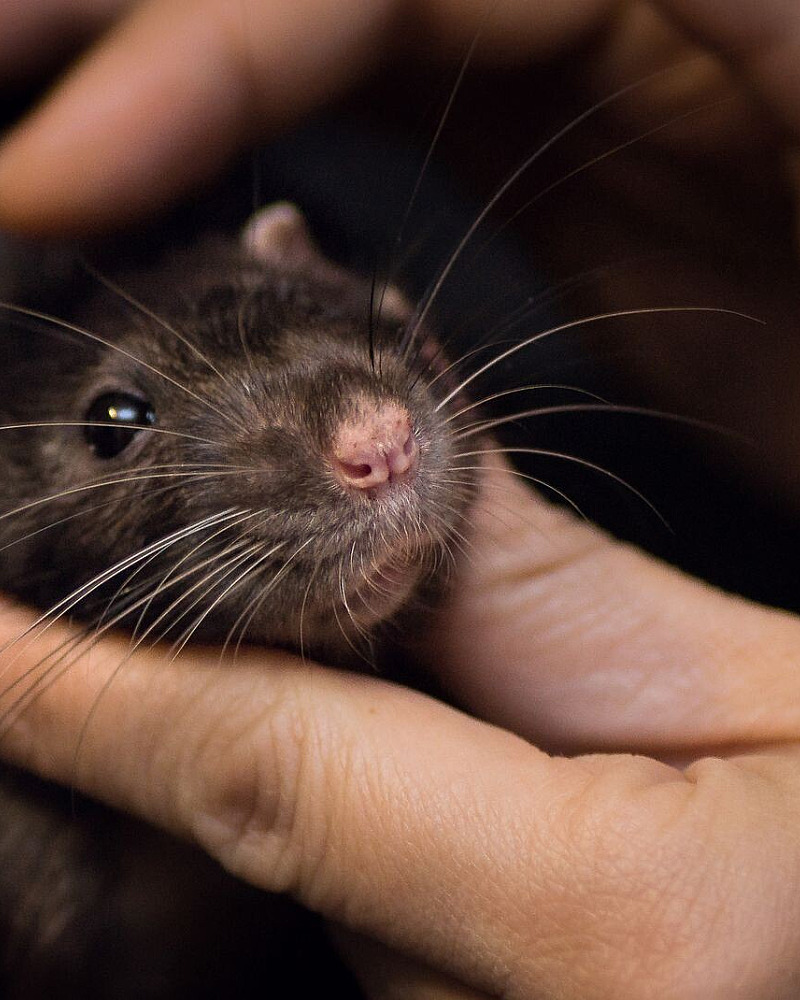
Enrichment and Training for Pet Rats
Rats are intelligent social animals. Let them forage, climb, dig, destroy safe materials and learn cooperative care behaviours.
1 min read · 05-08-2026
 Rodents
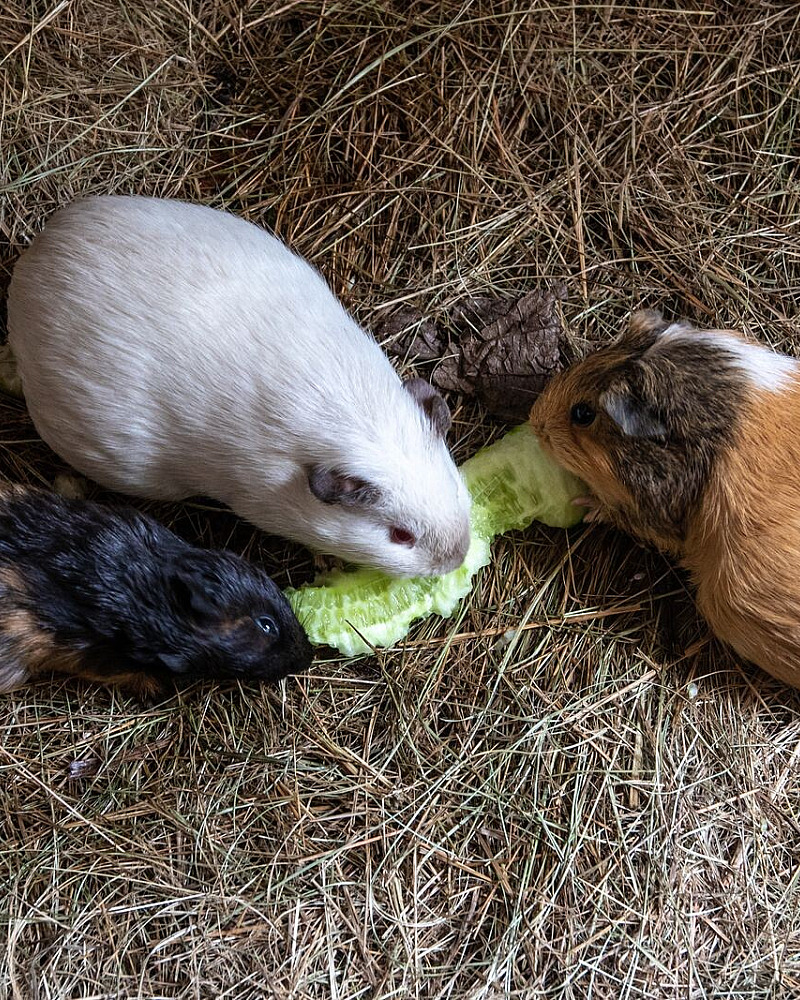
Vitamin C for Guinea Pigs
Guinea pigs cannot make vitamin C. Learn how to provide it reliably and why drops in drinking water are a poor guarantee.
1 min read · 04-08-2026
 Rodents
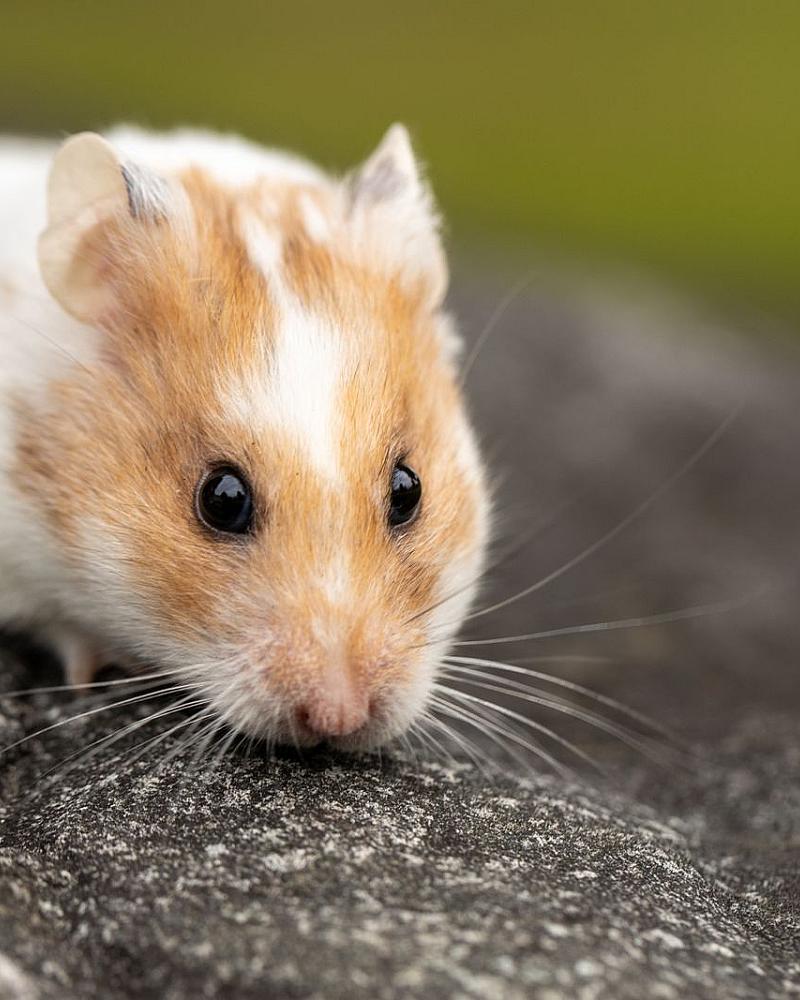
Sexing Rodents and Rabbits: How to Avoid Surprise Litters
Many surprise litters start with a sexing mistake. Learn why early checking and timely separation are essential.
1 min read · 21-06-2026
Sugar Glider in other provinces
Offering young rodents yourself?
Post a free rodent advert and reach buyers across the Netherlands.