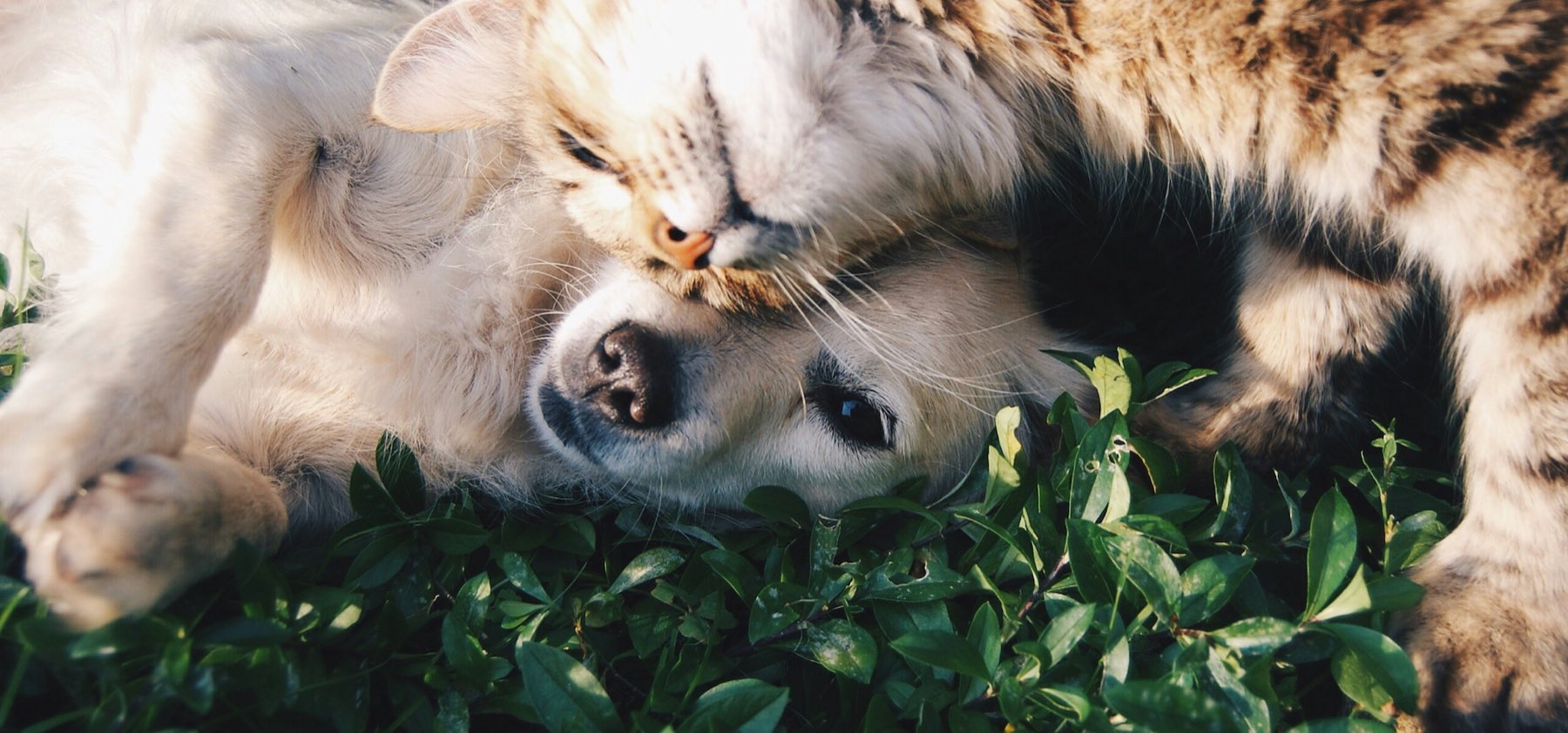
Ferret for sale in the Netherlands
The ferret is not a rodent but a domesticated mustelid and specialised carnivore. It is inquisitive, sleeps much and becomes intense when active. Home, diet, escape prevention and medical care must be designed accordingly.
Rodents
Ferret
Get notified about new Ferret listings?
Receive at most one daily email when matching sale adverts become available.
This alert follows the animal type and optionally one breed and area. Other search filters, such as price, age, and distance, are not included.
No adverts found matching your filters.
Be one of the first to post your advert for free and stand a chance to win €50; sell via Nestjes and you can also win €100.
Create AdvertCharacteristics
- Origin
- Domesticated form of the European polecat
- Length
- Elongated build, males are considerably larger and heavier than females
- Life expectancy
- Usually about 6–10 years
- Activity
- Mainly crepuscular and sleeping much of the day
- Character
- Playful, intelligent and inquisitive. Social compatibility differs by individual
- Housing
- For one or two at least 1.5–2 m² floor area and 2 hours of free movement daily
Ferrets: behaviour and suitability
Ferrets explore tunnels and gaps, cache objects and play through chasing and wrestling. Some form close groups while others reject particular conspecifics. Forced co-housing is unsafe. Always assess the actual animal and, when a trade label covers several species, verify the scientific name before acquisition. Age, sex, health and previous housing can noticeably influence behaviour.
Care and housing
Make the play area completely ferret-proof and provide dark sleeping places, tunnels and digging and foraging. Give two hours of free movement daily and complete meat-rich ferret food. Preferably keep the enclosure between 15 and 21 °C and out of direct sun. Set up the complete enclosure before the animal arrives and record relevant values and daily behaviour. A sudden change in appetite, activity, breathing, posture or droppings calls for a check of the environment and, where needed, knowledgeable help.
Health and responsible acquisition
Ask about chip, passport, age, neutering or hormonal implant and medical history. Check teeth, skin, ears, abdomen and movement and discuss adrenal disease, insulinoma and vaccination early with a ferret veterinarian. Ask the seller about age, origin, current care and known health problems, and ensure any documents belong to the animal offered. Never choose on colour, size or price alone, and identify a knowledgeable veterinarian or other species expert before urgent problems arise.
Related articles
 Rodents
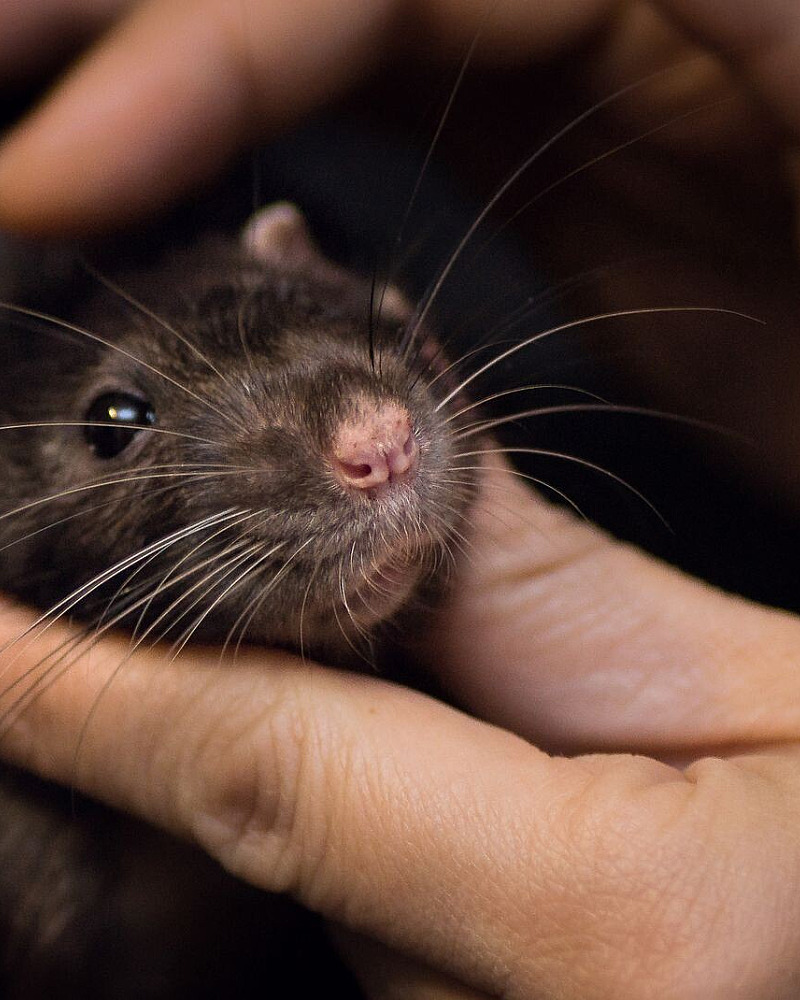
Enrichment and Training for Pet Rats
Rats are intelligent social animals. Let them forage, climb, dig, destroy safe materials and learn cooperative care behaviours.
1 min read · 05-08-2026
 Rodents
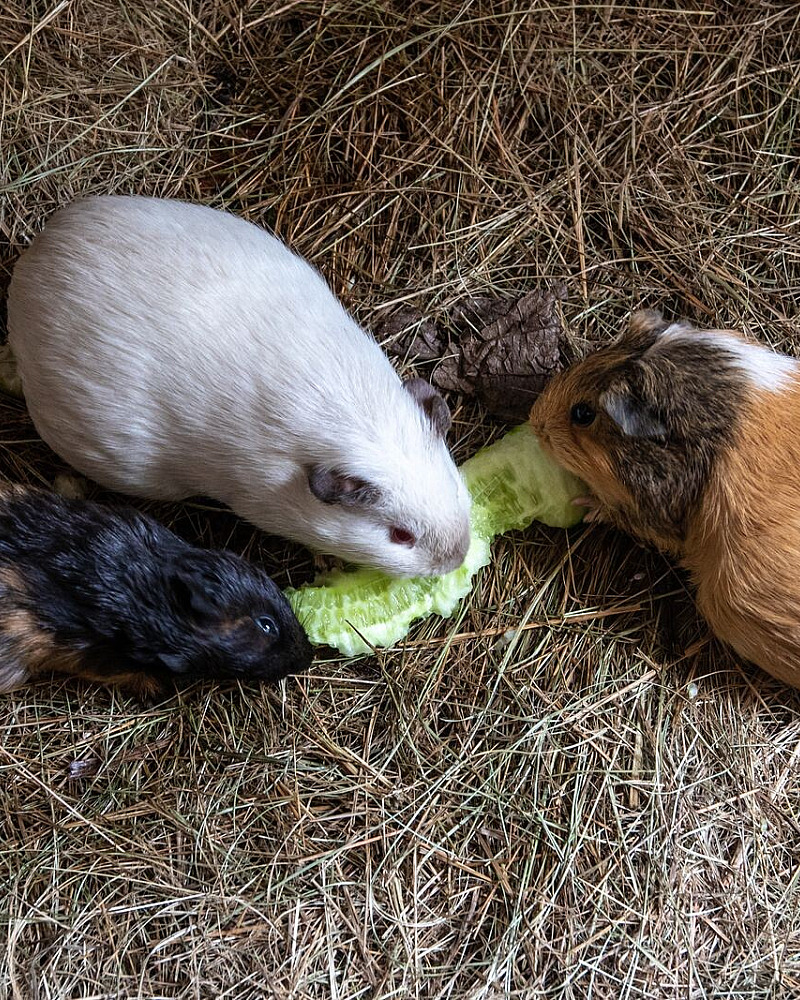
Vitamin C for Guinea Pigs
Guinea pigs cannot make vitamin C. Learn how to provide it reliably and why drops in drinking water are a poor guarantee.
1 min read · 04-08-2026
 Rodents
Sexing Rodents and Rabbits: How to Avoid Surprise Litters
Many surprise litters start with a sexing mistake. Learn why early checking and timely separation are essential.
1 min read · 21-06-2026
Ferret in other provinces
Offering young rodents yourself?
Post a free rodent advert and reach buyers across the Netherlands.