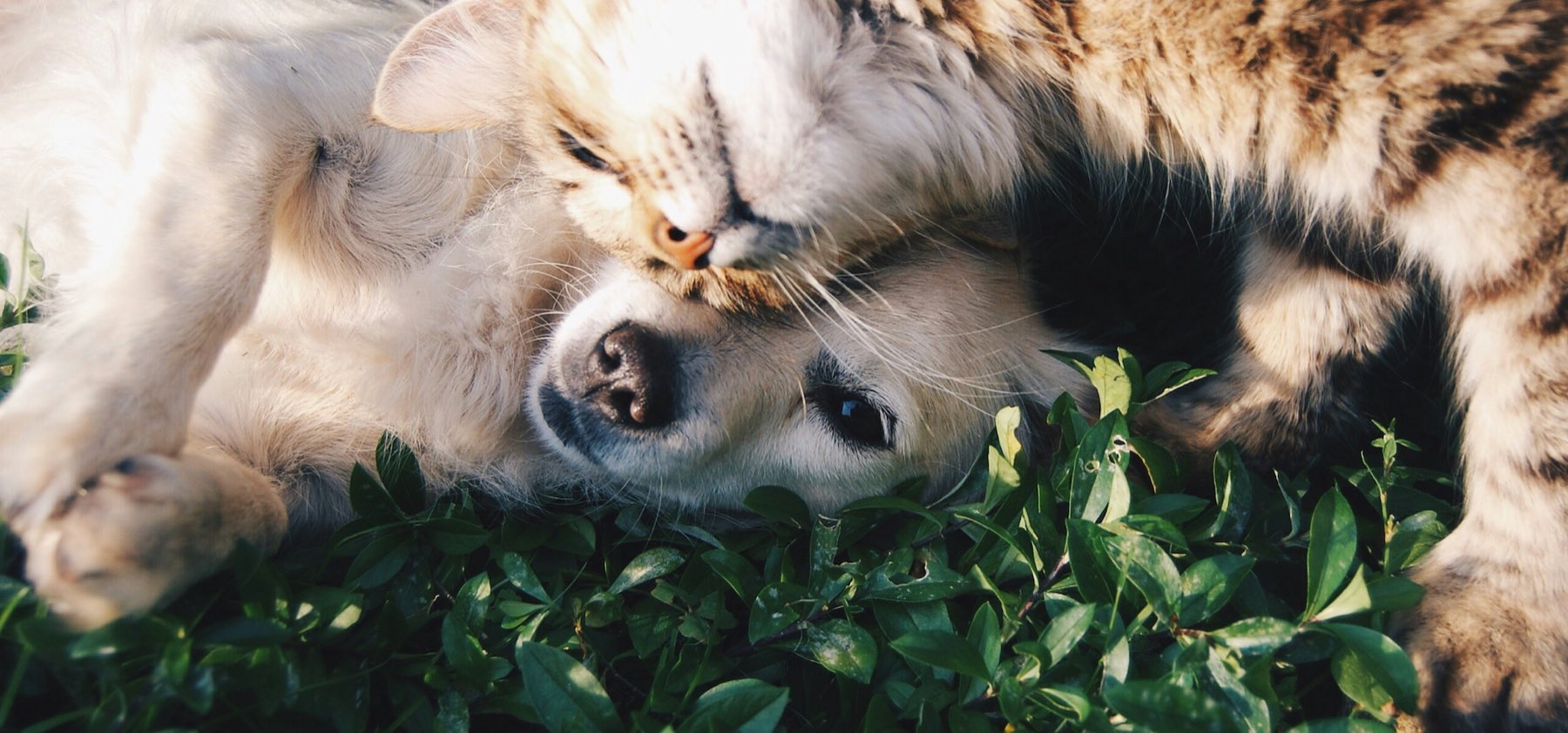
Frog for sale in the Netherlands
Frogs are amphibians, not reptiles, and include fully aquatic, arboreal and ground-dwelling species. Their permeable skin makes them highly sensitive to water quality, contamination and handling. Exact identification precedes all care.
Reptiles
Frog
Get notified about new Frog listings?
Receive at most one daily email when matching sale adverts become available.
This alert follows the animal type and optionally one breed and area. Other search filters, such as price, age, and distance, are not included.
No adverts found matching your filters.
Be one of the first to post your advert for free and stand a chance to win €50; sell via Nestjes and you can also win €100.
Create AdvertCharacteristics
- Origin
- Humid and aquatic habitats worldwide except Antarctica
- Length
- About 2–25 cm, depending on species
- Life expectancy
- About 5–20 years. Strongly species-dependent
- Housing
- Aquarium, paludarium or terrarium matched to species, metamorphosis and climate
- Character
- Primarily an observation animal. Solitary to social and quiet to very loud
- Suitable for
- Keeper managing water, humidity, temperature and live food for exact species
Frogs: behaviour and suitability
Frogs hunt movement and males of many species call for territory and mates. Mixing species brings predation, stress and disease transmission. Always assess the actual animal and, when a trade label covers several species, verify the scientific name before acquisition. Age, sex, health and previous housing can noticeably influence behaviour.
Care and housing
Use suitable dechlorinated water, pesticide-free plants, escape-proof fine mesh and species-specific climate. Feed varied properly gut-loaded insects and touch skin only when necessary with clean wet gloves. Set up the complete enclosure before the animal arrives and record relevant values and daily behaviour. A sudden change in appetite, activity, breathing, posture or droppings calls for a check of the environment and, where needed, knowledgeable help.
Health and responsible acquisition
Ask for scientific name, captive origin, life stage and any chytrid screening. Check skin, posture, eyes, appetite and shedding and never collect native amphibians from the wild. Ask the seller about age, origin, current care and known health problems, and ensure any documents belong to the animal offered. Never choose on colour, size or price alone, and identify a knowledgeable veterinarian or other species expert before urgent problems arise.
Related articles
 Reptiles
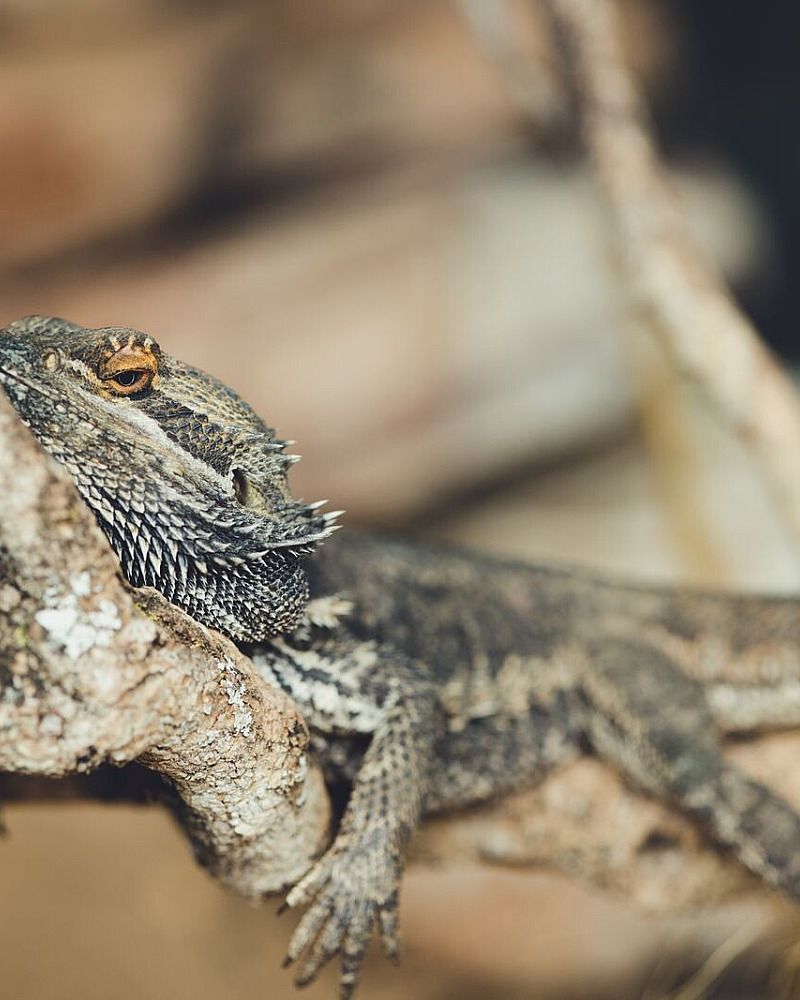
Temperature Gradients in a Terrarium
One thermometer creates false confidence. Build warm and cool zones, measure air and surfaces and regulate heat with a thermostat.
1 min read · 13-08-2026
 Reptiles
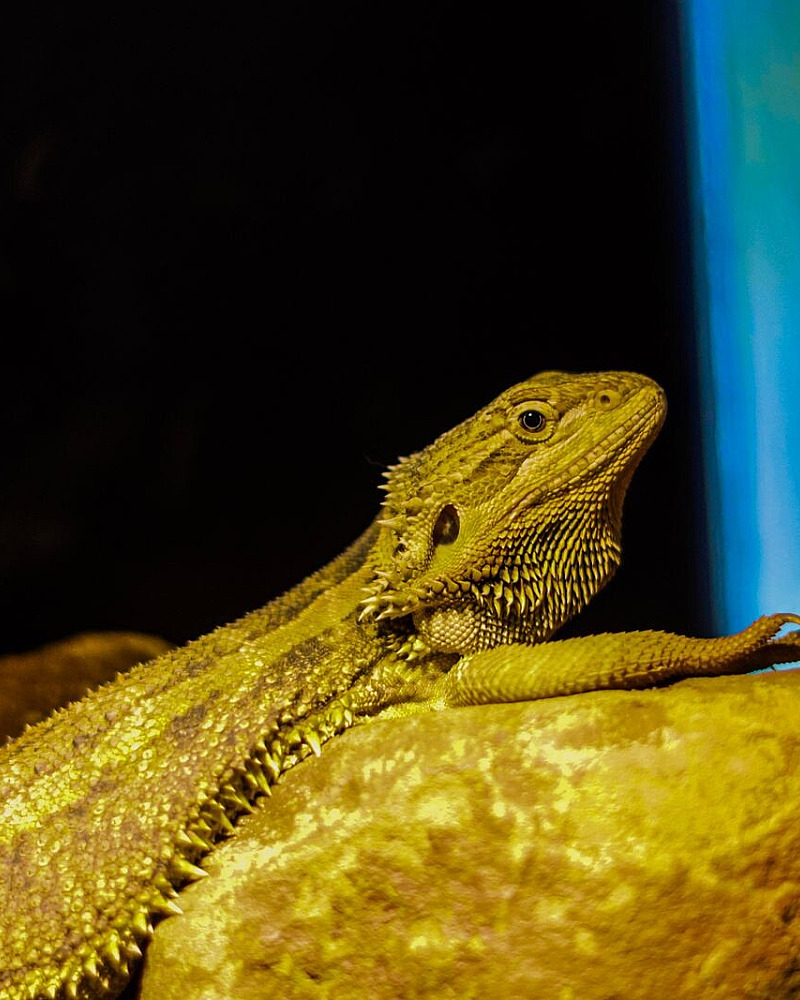
UVB and Calcium for Reptiles
A glowing lamp may no longer provide enough UVB. Distance, mesh, replacement dates and basking layout all affect bone health.
1 min read · 12-08-2026
 Reptiles
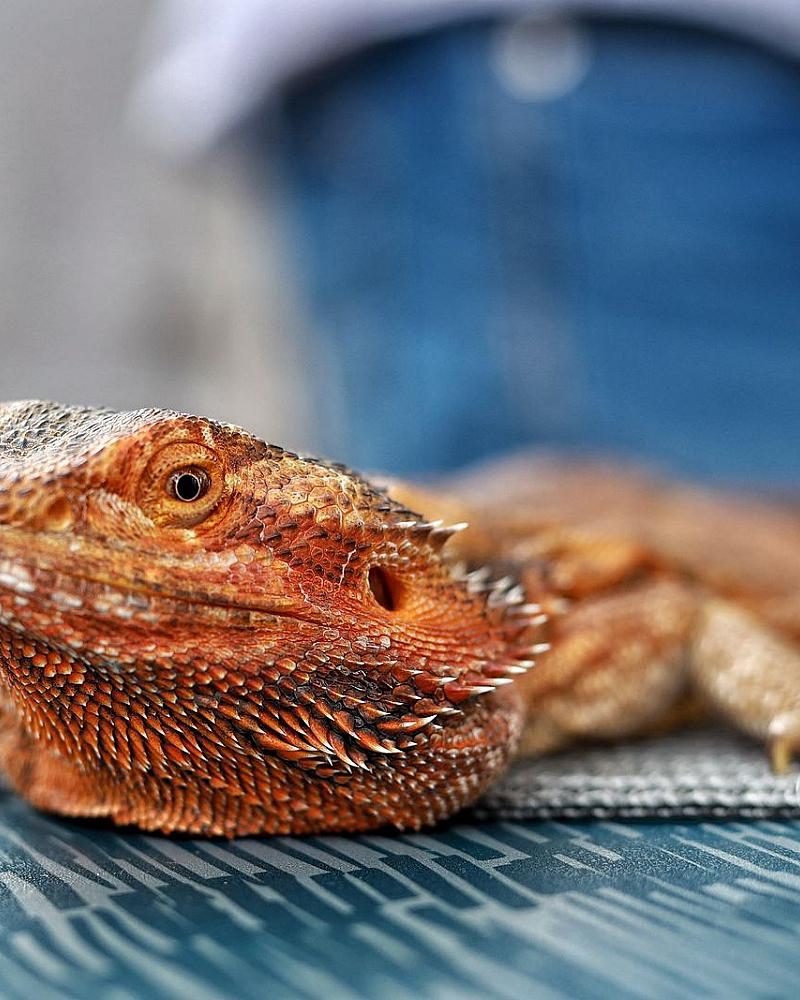
Feeding Reptiles: Crickets, Frozen Mice, Plants and Supplements
Insect eaters, plant eaters and rodent eaters all need different diets. Calcium, vitamins and honesty about prey items matter.
1 min read · 01-07-2026
Frog in other provinces
Offering captive-bred reptiles yourself?
Post a free reptile advert and reach buyers across the Netherlands.