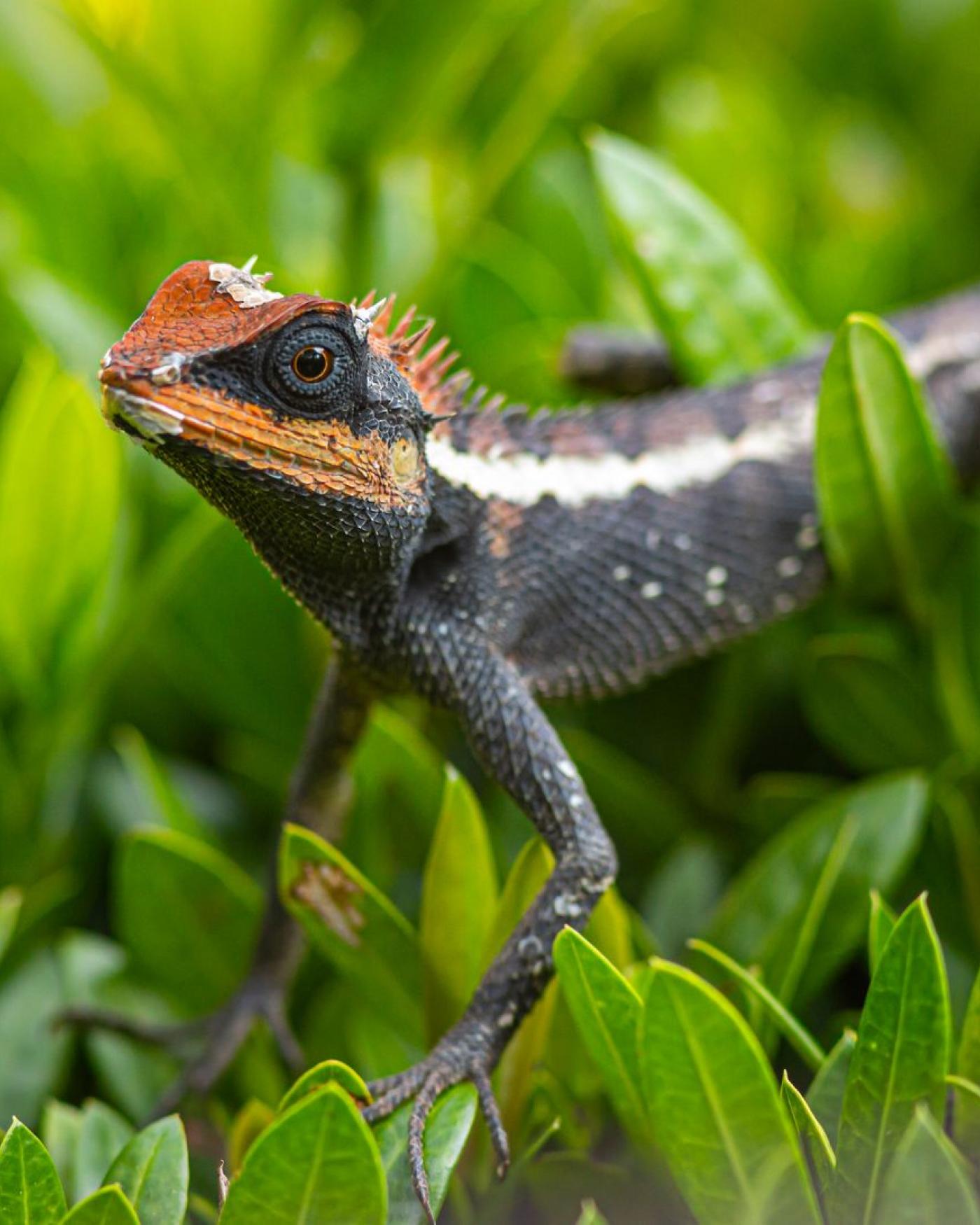
Captive-bred animals are born in captivity. Wild-caught animals are taken from the wild and imported or traded. The difference affects welfare, health, conservation and how suitable the animal is for a private keeper.
Why captive-bred is usually better
Captive-bred reptiles are more likely to be feeding reliably, less stressed by captivity and less burdened by parasites. They also reduce pressure on wild populations when breeding is genuinely responsible.
How to check
Ask who bred the animal, when it hatched, what it eats and whether feeding records are available. For protected species, documents should support legal origin. Vague terms like "farm bred" or "long-term captive" need clarification.
When wild-caught appears
Some species in trade are still commonly wild-caught. They may be cheaper at first but can need specialist quarantine, parasite treatment and careful acclimation. Beginners should usually avoid them.