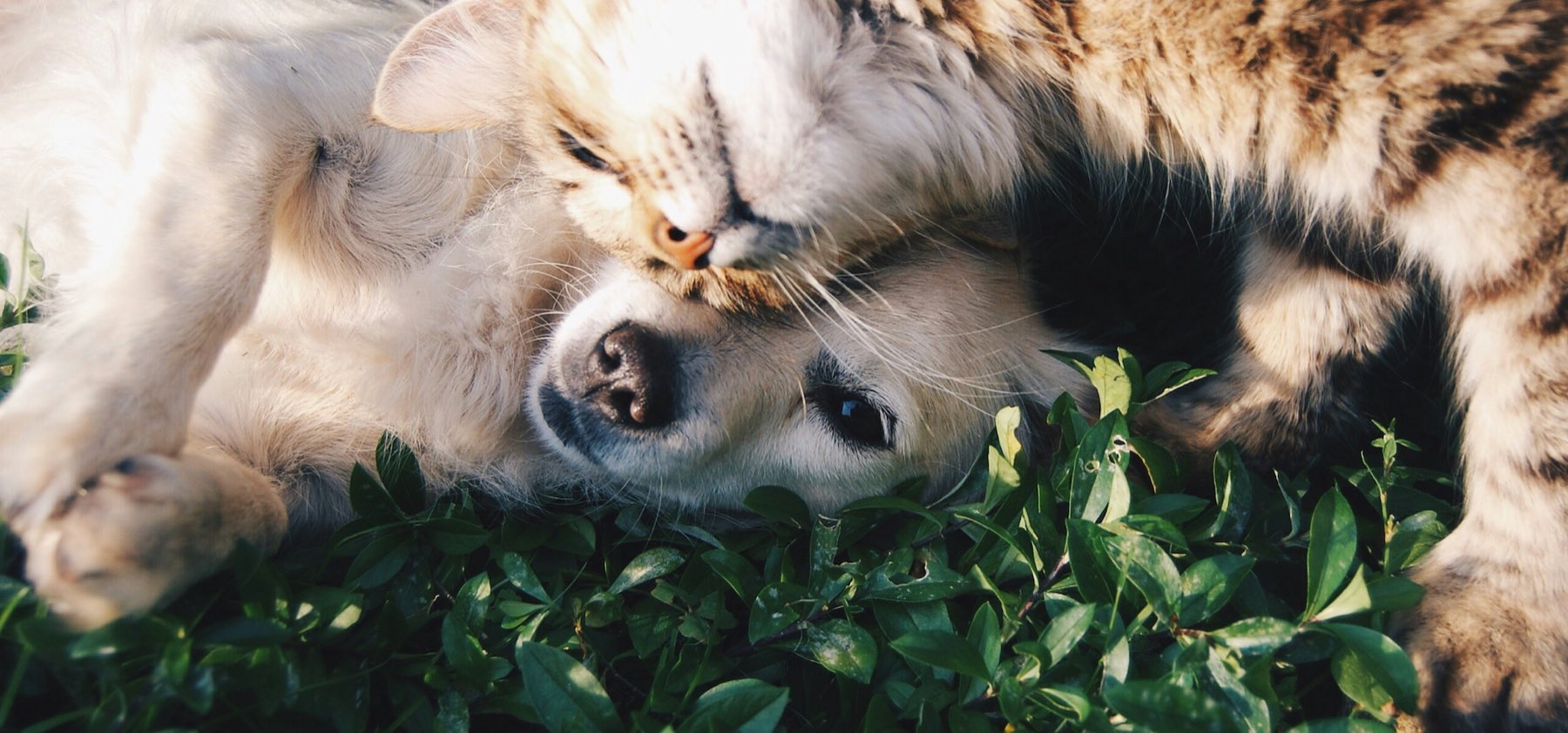
Shetland Sheepdog for sale in the Netherlands
The Shetland Sheepdog is a small alert herder that learns quickly and reacts strongly to voices and sound. Daily cooperation, calm socialisation and documented eye, drug-sensitivity and family screening help this sensitive breed thrive.
Dogs
Shetland Sheepdog
Get notified about new Shetland Sheepdog listings?
Receive at most one daily email when matching sale adverts become available.
This alert follows the animal type and optionally one breed and area. Other search filters, such as price, age, and distance, are not included.
No adverts found matching your filters.
Be one of the first to post your advert for free and stand a chance to win €50; sell via Nestjes and you can also win €100.
Create AdvertCharacteristics
- Origin
- Shetland Islands, United Kingdom
- Height
- Females about 35.5 cm, males about 37 cm.
- Weight
- Males average 8 kg, females average 7 kg.
- Life expectancy
- About 13 years on average
- Coat
- Long straight outer coat with dense undercoat. Brush weekly and more while shedding
- Energy
- High: daily walking, training and controlled mental work
- Character
- Intelligent, sensitive, vigilant, handler focused and often vocal
- Suitable for
- Active calm owners prepared to manage noise and uncertainty
A sensitive herder
Shelties are fast learners that watch their handlers closely. Without calm socialisation, alertness and sensitivity can become excessive barking or fear. Reward recovery after unexpected sounds and introduce visitors, traffic and suitable dogs in manageable steps. Harsh correction is unnecessary and can increase nervousness. Many enjoy obedience, scent work and agility when activity is balanced with genuine rest and predictable routines.
Coat and exercise
Comb the double coat to the skin several times weekly, especially behind ears, in armpits and trousers, and more often while shedding. Daily walks, nose work and short training sessions are preferable to frantic ball chasing alone. Protect developing joints from repetitive turns and jumps. Merle is a colour pattern, not a health certificate. Breeding two merle carriers creates serious hearing and eye risks.
Health and choosing a breeder
MDR1 drug sensitivity, patent ductus and gastritis are prominent Dutch findings. Gallbladder mucocele, dermatomyositis, hip dysplasia, epilepsy and CEA also occur. Ask for MDR1 DNA status, current ECVO results and the required puppy eye examination, and discuss heart, skin, gallbladder and seizure history. The breed club advises hip screening and restricts risky colour pairings and canine-tooth abnormalities. Always share MDR1 status with the veterinarian.
Related articles
 Dogs
Dogs
Selling Puppies: What Is Allowed and Required in the Netherlands
Selling a litter starts with the law: 7 weeks, chip, I&R and a UBN. Then comes the real work of finding the right buyers. Here is what to arrange, in the right order.
4 min read · 16-09-2026
 Dogs
Dogs
Selling or Rehoming Your Own Dog: How to Do It Honestly
Sometimes a dog really cannot stay. Private owners may sell or rehome their dog, as long as the registration is transferred and the story is honest. Here is how to find a home that lasts.
3 min read · 16-09-2026
 Dogs
Dogs
Adopting an Adult Dog: How to Find the Right Match
An adult rescue or rehomed dog can be a wonderful choice. Assess behaviour, health, documents and compatibility with this checklist.
4 min read · 25-08-2026
Shetland Sheepdog in other provinces
Offering a litter of puppies yourself?
Post a free puppy advert and reach buyers across the Netherlands.