Mixed / Crossbreed for sale in the Netherlands
“Mixed” says little about adult weight, laying rate, flight ability, broodiness or temperament in poultry. Species, parents, sex and individual build must be known to plan housing and flock composition responsibly.
Poultry
Mixed / Crossbreed
Get notified about new Mixed / Crossbreed listings?
Receive at most one daily email when matching sale adverts become available.
This alert follows the animal type and optionally one breed and area. Other search filters, such as price, age, and distance, are not included.
No adverts found matching your filters.
Be one of the first to post your advert for free and stand a chance to win €50; sell via Nestjes and you can also win €100.
Create AdvertCharacteristics
- Origin
- Depends on species and parental lines
- Weight
- Not reliable without species and parental size
- Life expectancy
- Often 6–15 years, depending on species and build
- Egg production
- Unpredictable without parental lines and laying history
- Character
- Individual. Social behaviour remains primarily species-based
- Housing
- With conspecifics in housing sized for the largest and most active parental line
Poultry of mixed or unidentified origin: behaviour and suitability
Crosses may combine very different traits and are not automatically healthier or calmer. Chickens, ducks, geese and turkeys are also not interchangeable as a social group. Always assess the actual animal and, when a trade label covers several species, verify the scientific name before acquisition. Age, sex, health and previous housing can noticeably influence behaviour.
Care and housing
Identify species and parental types and plan substrate, water, perches, fencing and feed for the strictest relevant need. Account for unknown laying and reproduction. Set up the complete enclosure before the animal arrives and record relevant values and daily behaviour. A sudden change in appetite, activity, breathing, posture or droppings calls for a check of the environment and, where needed, knowledgeable help.
Health and responsible acquisition
Ask about age, sex, parents, vaccinations, laying and reason for rehoming. Inspect breathing, feet, keel, vent and flock behaviour and do not acquire an anonymous mixed poultry lot. Ask the seller about age, origin, current care and known health problems, and ensure any documents belong to the animal offered. Never choose on colour, size or price alone, and identify a knowledgeable veterinarian or other species expert before urgent problems arise.
Related articles
 Poultry
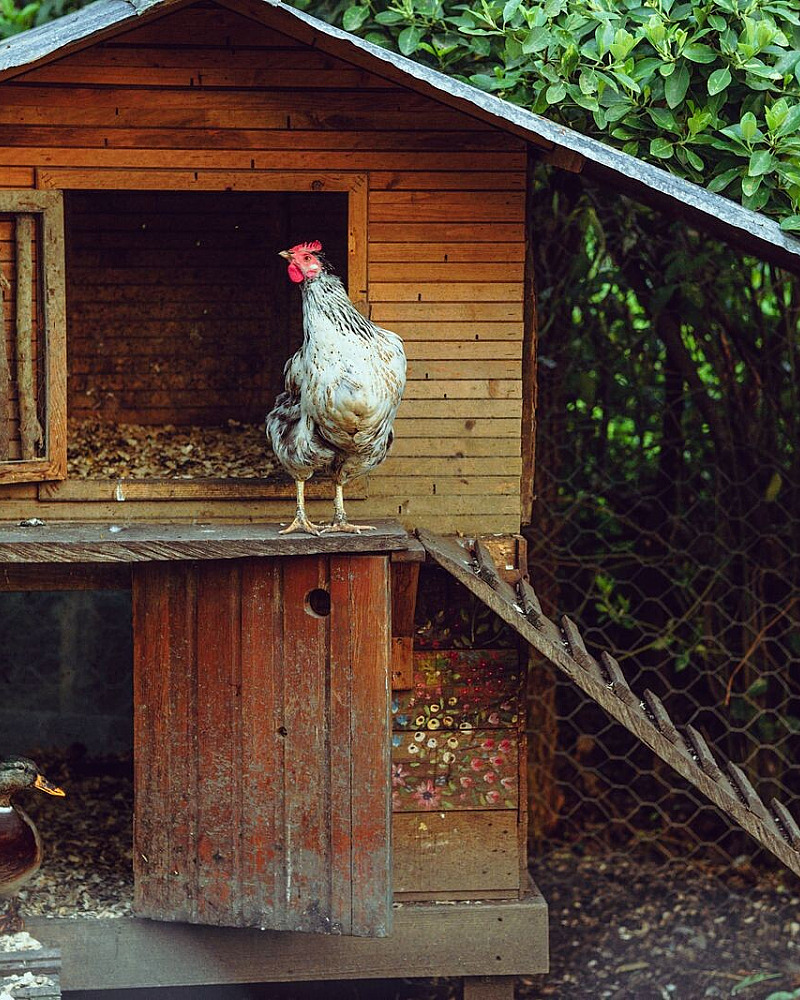
Red Mite in Chickens
Red mites feed at night and hide in cracks by day. Learn how to find them early and why the whole coop needs attention.
1 min read · 18-08-2026
 Poultry
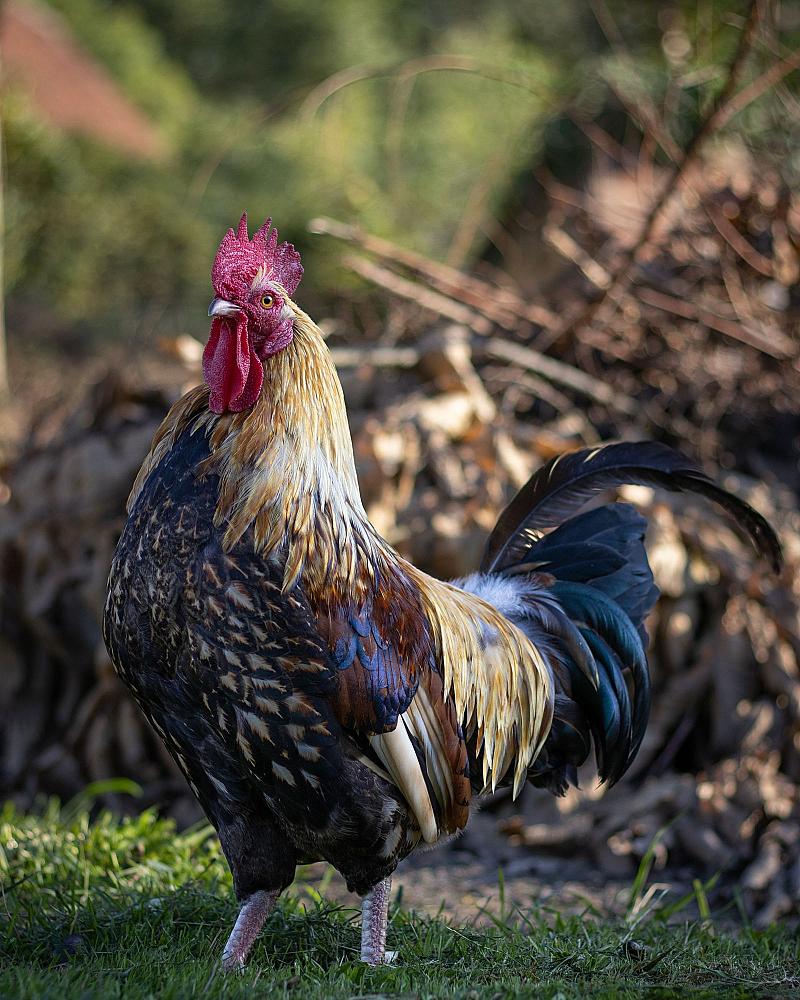
Which Chicken Breed Suits Me? Layers, Ornamental Birds and Dual-Purpose Breeds
Do you want eggs, a beautiful garden bird or calm chickens for the family? Chicken breeds differ more than many beginners expect.
1 min read · 22-06-2026
 Poultry
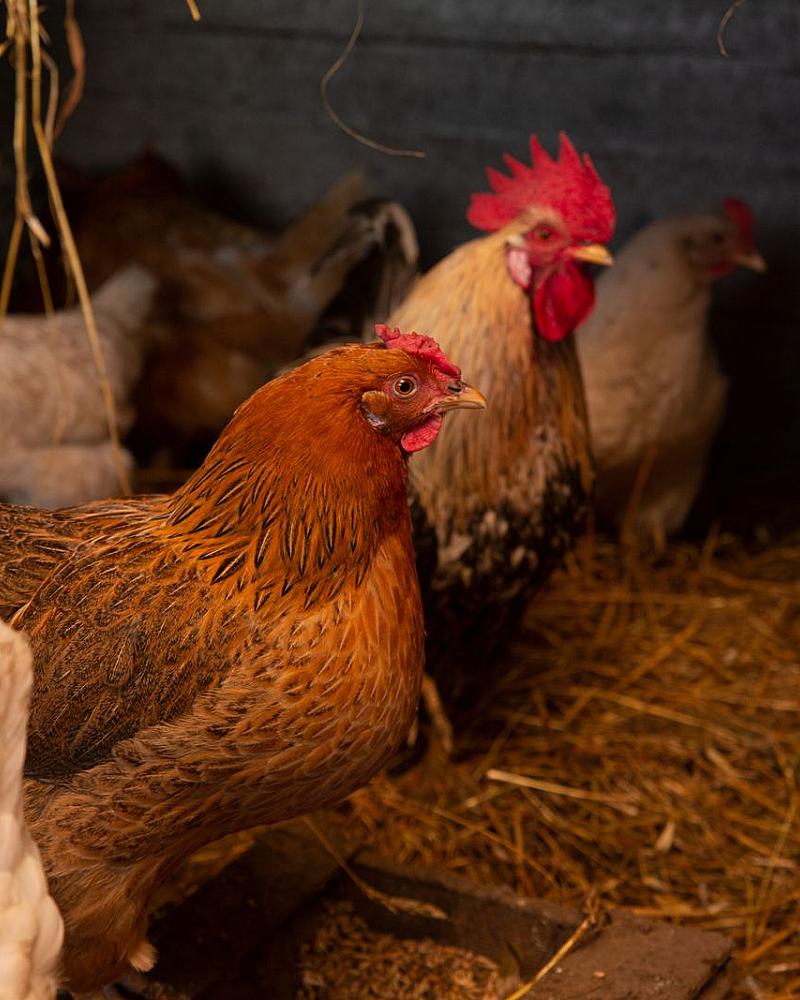
Bird Flu and Backyard Chickens: What the Rules Mean for You
Bird flu measures can also apply to hobby keepers. Learn what housing, shielding and movement restrictions mean for your chickens.
1 min read · 21-06-2026
Mixed / Crossbreed in other provinces
Offering chickens or chicks yourself?
Post a free chicken advert and reach buyers across the Netherlands.