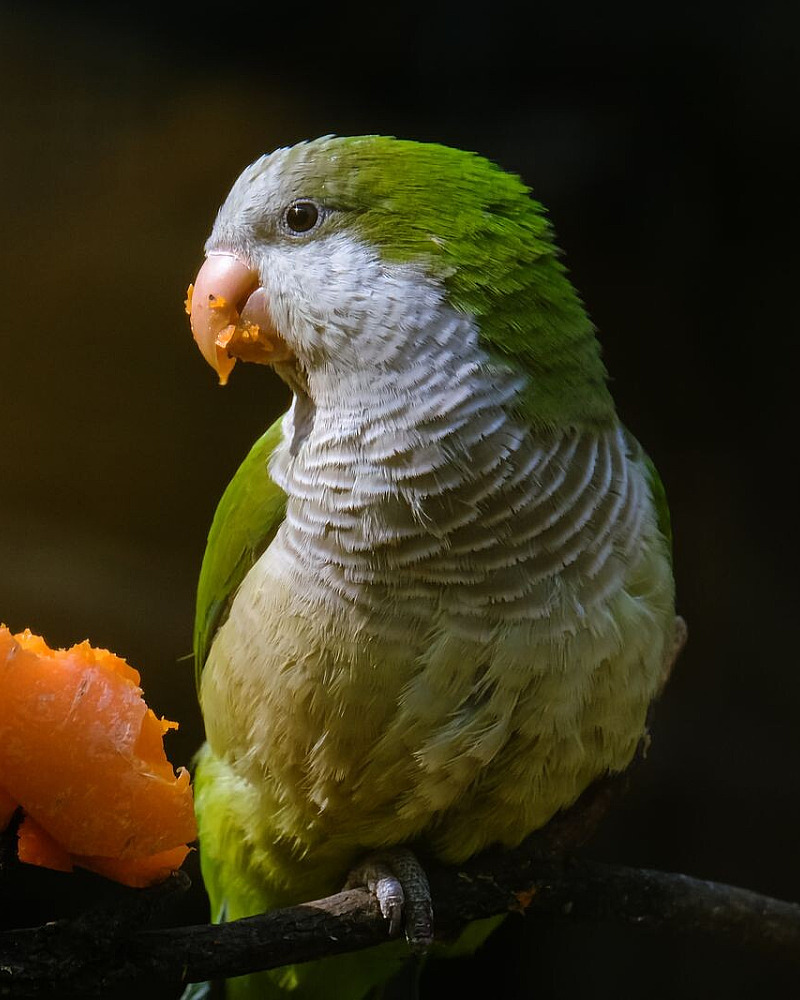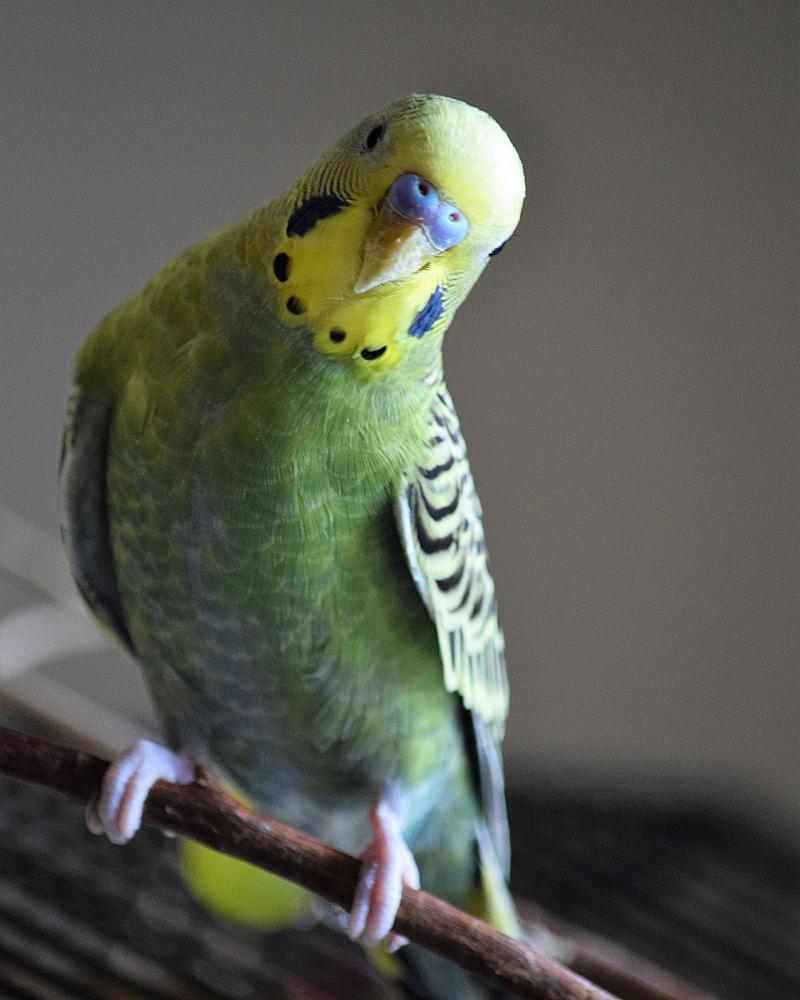
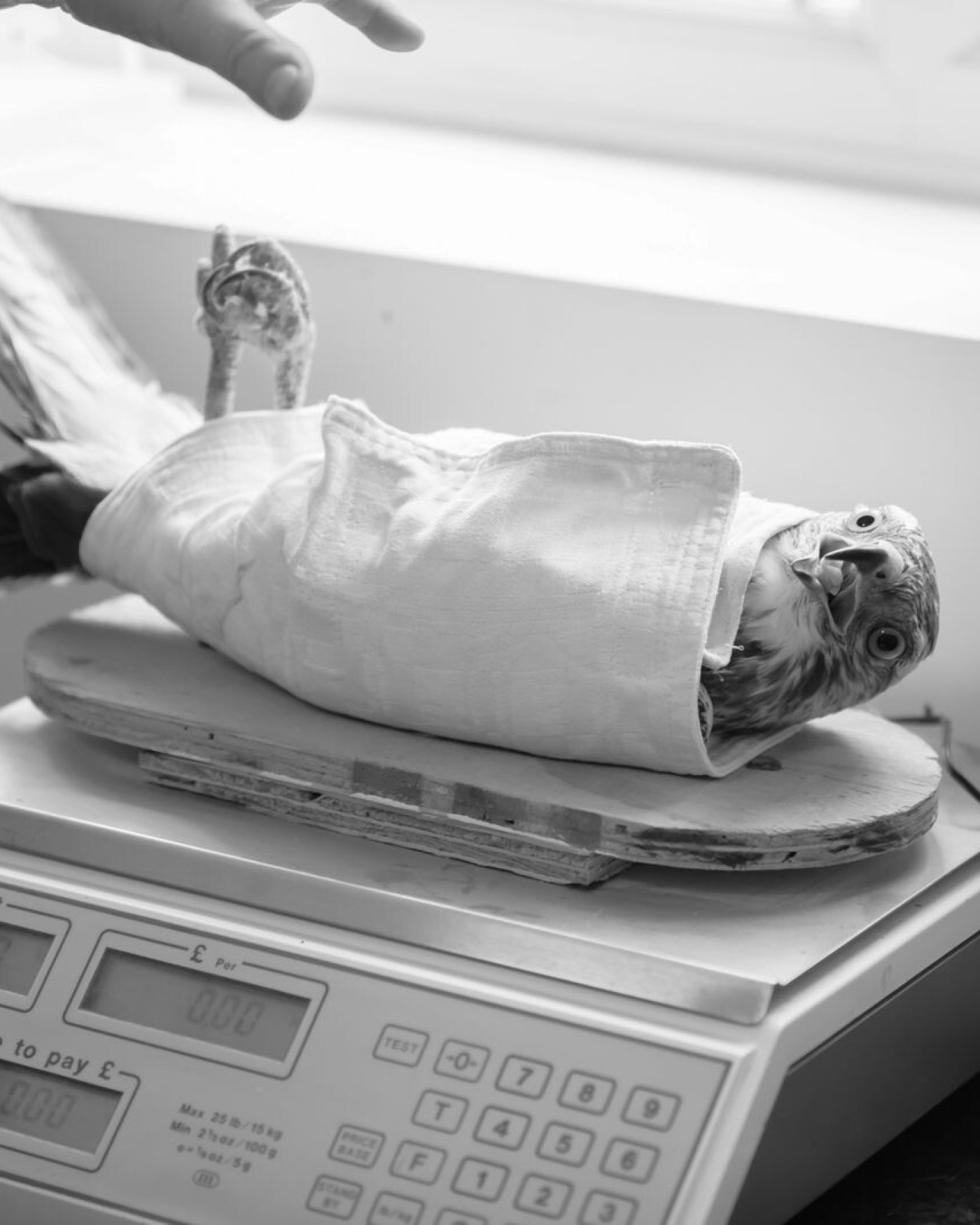
As prey animals, birds often conceal weakness. Establish a normal pattern for activity, calls, appetite, droppings and weight. Weigh regularly on accurate gram scales and record the trend.
Warning signs
Persistent fluffing, sleeping more, staying on the cage floor, eating less, tail-bobbing with each breath, discharge, altered droppings or reduced grip require prompt attention. Open-mouth breathing at rest, collapse, seizures, severe bleeding or inability to perch is an emergency.
Transport safely
Call an avian vet, keep the bird calm and comfortably warm, and use a secure low carrier if falling is possible. Do not give human medication or force water into the beak. Bring weight records and photos of recent droppings.