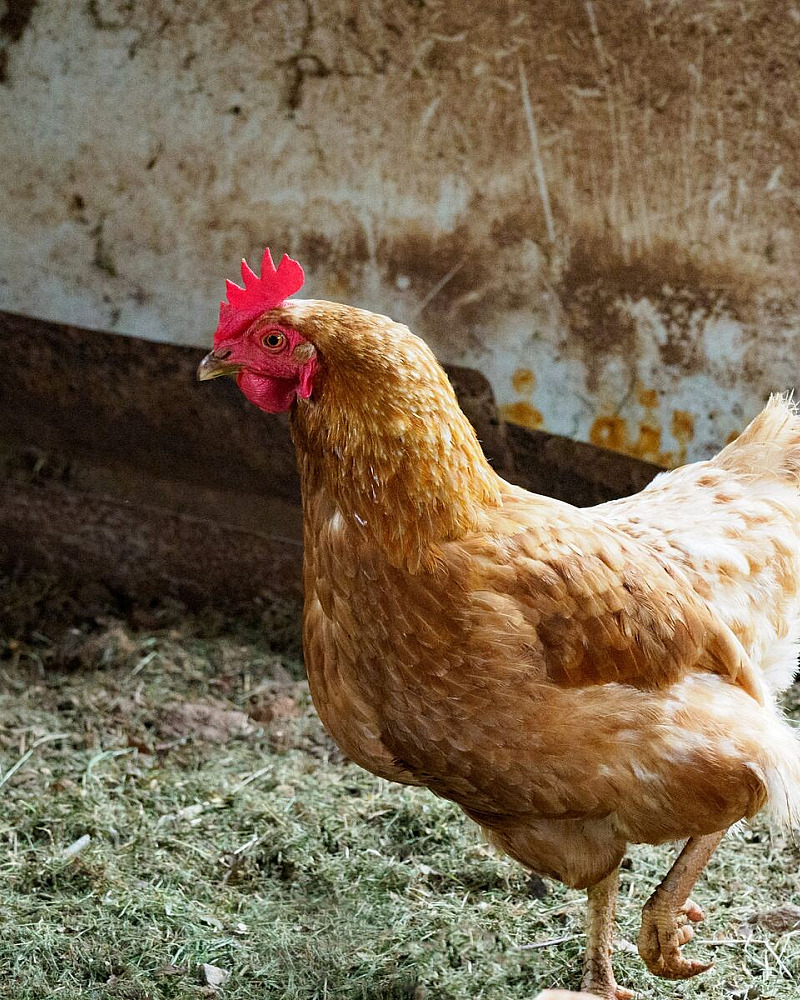
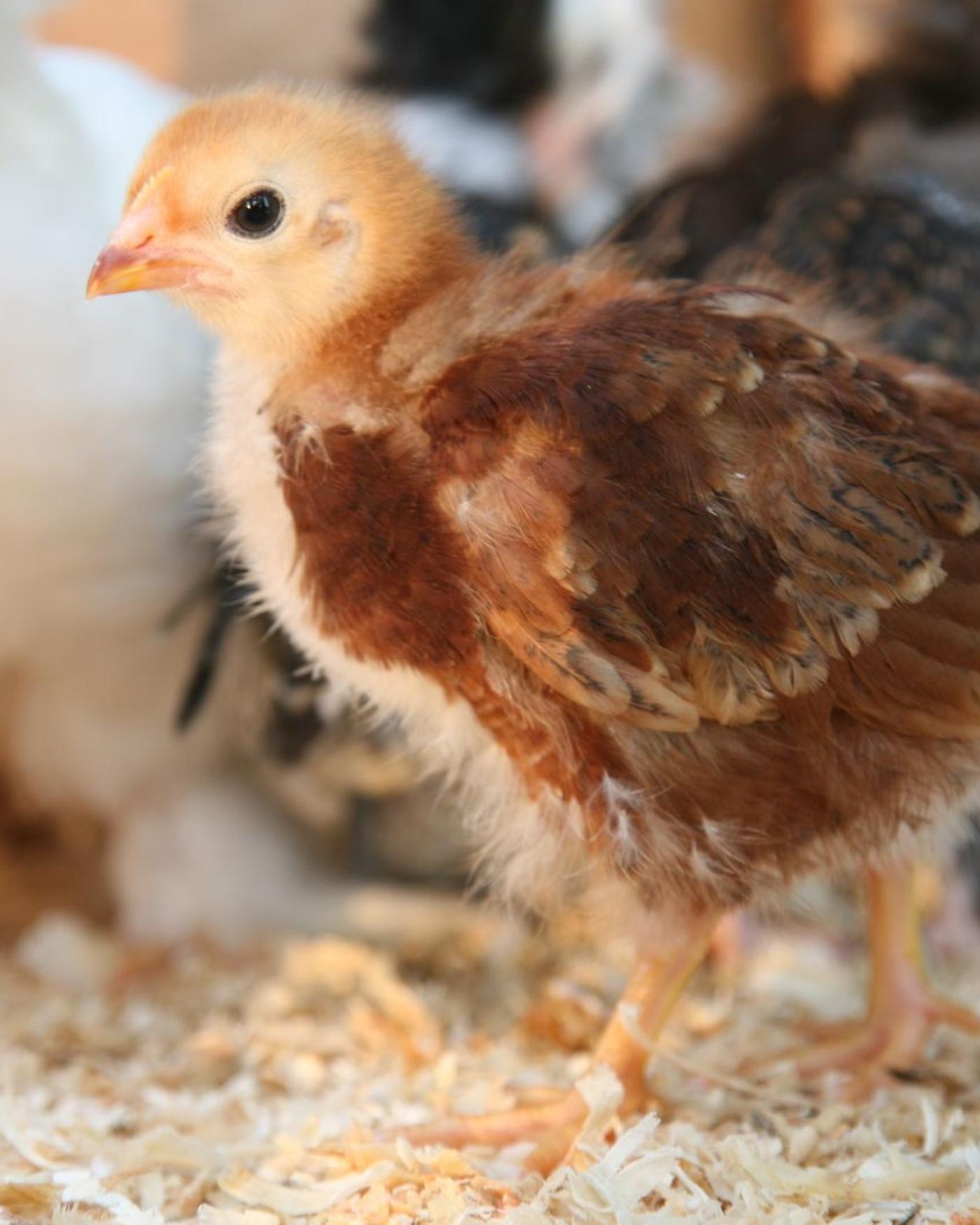
Keeping chickens looks simple from the outside: a coop, some feed and fresh eggs in return. In practice, good chicken keeping starts with space, hygiene and a realistic daily routine. Chickens scratch, dust-bathe, argue, moult and sometimes get ill. If you prepare for that, they are rewarding animals to keep.
Start with space and a safe coop
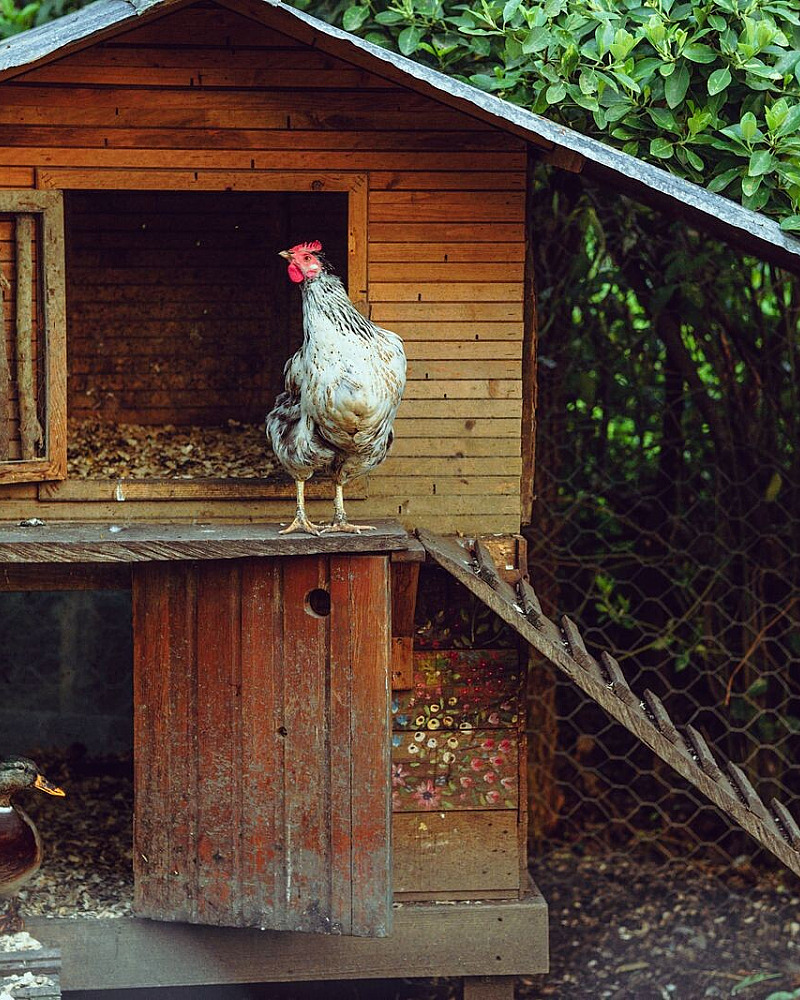
A chicken coop should be dry, draught-free and easy to clean. The run needs more space than many starter coops suggest, because chickens spend much of the day foraging and moving around. Protect the run from foxes, martens and rats with strong mesh, a lockable night area and a floor or buried edge where predators might dig.
Choose the right group
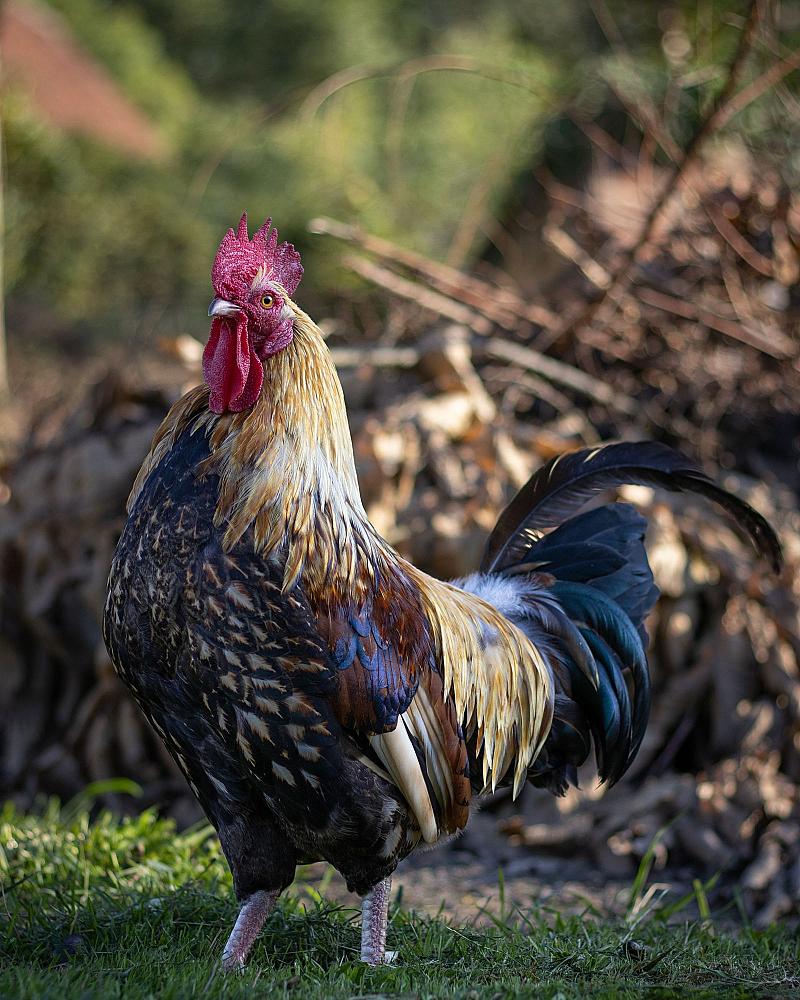
For most hobby keepers, a small group of hens is enough. A rooster is not needed for eggs and is not always welcome in a residential area. Keep chickens with other chickens, not alone, and choose calm breeds if children will help with care.
Daily care
Give quality layer feed, fresh water, grit and a dry dust-bath area. Remove droppings regularly and check for mites, dirty vents, limping and changes in appetite. Egg production rises and falls with age, season, moulting and health, so do not buy chickens as if they are egg machines.
Before buying, check whether local rules allow chickens and how outbreaks such as bird flu affect hobby keepers. A good seller explains age, vaccination history where relevant, housing needs and the expected character of the breed.