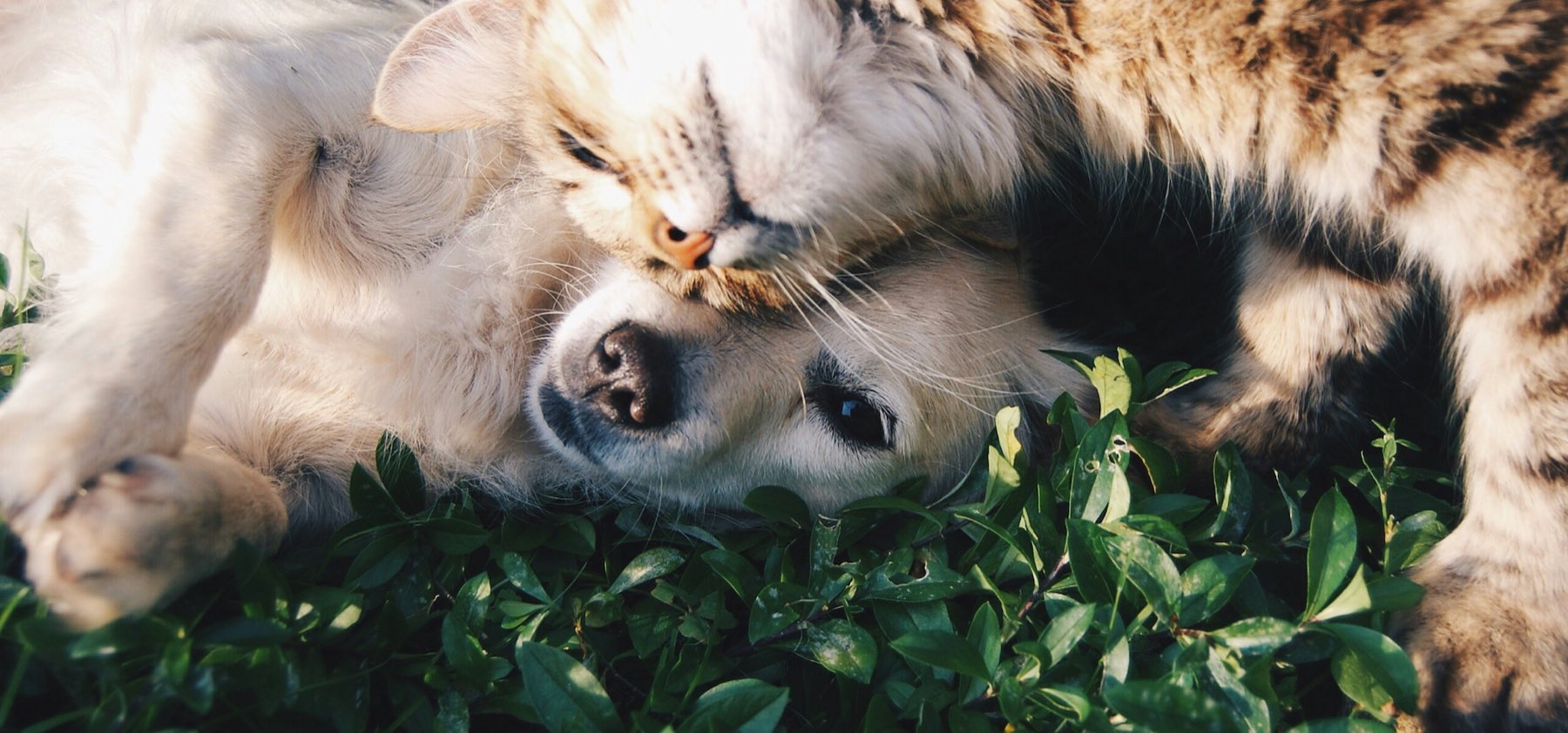
Trotter for sale in the Netherlands
The Trotter: type is a horse bred or trained for speed at the trot rather than one distinct breed. Its breed or registry roots lie in Worldwide in Standardbred, French, Orlov and cold-blood trotter lines. Usual height: Often 145–170 cm, depending on breed. Build, ancestry and original use determine suitable training, movement and health checks.
Horses
Trotter
Get notified about new Trotter listings?
Receive at most one daily email when matching sale adverts become available.
This alert follows the animal type and optionally one breed and area. Other search filters, such as price, age, and distance, are not included.
No adverts found matching your filters.
Be one of the first to post your advert for free and stand a chance to win €50; sell via Nestjes and you can also win €100.
Create AdvertCharacteristics
- Origin
- Worldwide in Standardbred, French, Orlov and cold-blood trotter lines
- Height
- Often 145–170 cm, depending on breed
- Life expectancy
- Generally 20–30 years
- Character
- willing, energetic and strongly influenced by racing and handling history
- Suitable for
- driving or retraining with an owner who knows exact breed and racing history
Trotter: type: behaviour and suitability
willing, energetic and strongly influenced by racing and handling history. These are breed tendencies, not guarantees: age, training history, pain, breeding line and individual learning influence every horse. Assess the actual animal in daily situations, not only during one sales moment. Always assess the actual animal and, when a trade label covers several species, verify the scientific name before acquisition. Age, sex, health and previous housing can noticeably influence behaviour.
Care and housing
As a horse bred or trained for speed at the trot rather than one distinct breed, this horse needs daily free movement, social contact with horses, continuous access to suitable forage and training built gradually around physical capacity. Management must routinely monitor feet, teeth, saddle fit, footing, recovery and body condition. Set up the complete enclosure before the animal arrives and record relevant values and daily behaviour. A sudden change in appetite, activity, breathing, posture or droppings calls for a check of the environment and, where needed, knowledgeable help.
Health and responsible acquisition
Breed and studbook names do not predict the health of an individual horse. Before purchase, verify passport, chip, ancestry, medication, lameness history and actual work history. Commission an independent equine pre-purchase examination appropriate to the intended level and request original results relevant to the line where hereditary risks apply. Ask the seller about age, origin, current care and known health problems, and ensure any documents belong to the animal offered. Never choose on colour, size or price alone, and identify a knowledgeable veterinarian or other species expert before urgent problems arise.
Related articles
 Horses
Laminitis and Pasture Management
Laminitis is a painful emergency. Recognise early signs and tailor grazing for horses and ponies at increased metabolic risk.
1 min read · 08-08-2026
 Horses
Recognising Colic in Horses
Not every horse with colic rolls. Subtle abdominal pain can also be an emergency, so learn what to notice and what information your vet needs.
1 min read · 07-08-2026
 Horses
What Does a Horse Cost? Livery, Feed and the Expenses People Forget
With horses, the purchase price is only a small part. Livery, farrier, vet care, insurance and equipment define the real cost.
1 min read · 19-06-2026
Trotter in other provinces
Offering a horse or foal yourself?
Post a free horse advert and reach buyers across the Netherlands.