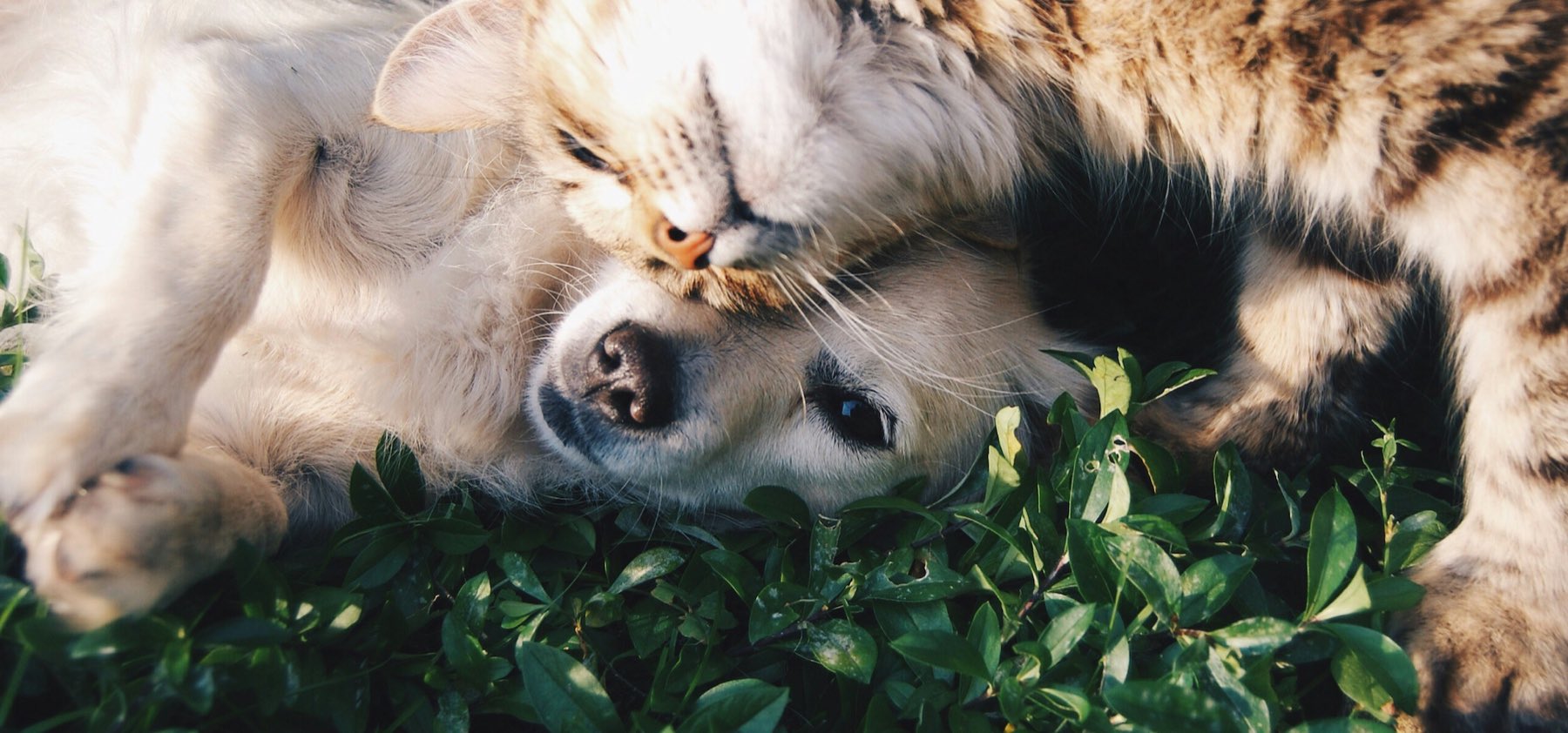
Norwegian Forest Cat for sale in the Netherlands
The Norwegian Forest Cat is a large, athletic semi-longhaired cat developed for a cold climate. Its climbing ability, dense seasonal coat and breed-specific health risks require space, grooming and documented screening.
Cats
Norwegian Forest Cat
Get notified about new Norwegian Forest Cat listings?
Receive at most one daily email when matching sale adverts become available.
This alert follows the animal type and optionally one breed and area. Other search filters, such as price, age, and distance, are not included.
Characteristics
- Origin
- Norway
- Weight
- Females 3.5 – 6 kg, males 5 – 8 kg
- Life expectancy
- 12 – 15 years
- Coat
- Dense water-resistant semi-long coat. Comb weekly and more during shedding
- Activity
- Moderate to high: strong climber needing daily play and exploration
- Character
- Friendly, confident, independent, playful and usually adaptable
- Suitable for
- Homes with sturdy high routes, enrichment and secure outdoor options
Temperament and everyday life
Norwegian Forest Cats are often friendly and confident while retaining an independent streak. Many enjoy family life without demanding constant contact. Their size and climbing style call for stable floor-to-ceiling posts, broad shelves and strong resting platforms. Offer several short hunting games, food puzzles and quiet retreats every day. Introduce children and animals gradually and let the cat control physical contact instead of expecting every individual to match a general breed description.
Coat, space and body condition
The double coat changes markedly with the seasons. Comb weekly to the skin and more often during heavy shedding, especially behind the ears, under the front legs and around the trousers. Mats are painful and should be addressed early. A secure enclosure or cat-proof garden can provide varied stimulation without traffic or wildlife danger. Monitor weight beneath the dense coat by feeling the ribs and observing movement, not by appearance alone.
Health and choosing a breeder
Glycogen storage disease type IV has a breed-specific DNA test. HCM, hip dysplasia, patellar luxation and PKD also deserve family-based screening and discussion. Entirely white cats should have individual BAER hearing tests. Ask for GSD IV results, repeated specialist heart ultrasound and appropriate joint or kidney assessment. An HCM DNA result cannot replace imaging or exclude every cause. Review original reports for both parents and ask about longevity and sudden death among older relatives.
Related articles
 Cats
Selling a Cat: Price, Handover and What to Send Along
Private owners may sell or rehome an adult cat. How to set a reasonable price, choose a new owner and arrange the handover without loose ends.
3 min read · 16-09-2026
 Cats
Selling Kittens: Age, Price and Advert
Kittens may legally leave at 7 weeks, but the LICG advises 14 to 15 weeks. How to set the collection date, a fair price and an advert that attracts the right buyers.
3 min read · 16-09-2026
 Cats
Cat Peeing Outside the Litter Box: Causes and Solutions
Urinating outside the litter box is not revenge. Rule out disease, recognise emergencies and improve the litter-box setup step by step.
4 min read · 25-08-2026
Norwegian Forest Cat in other provinces
Offering a litter of kittens yourself?
Post a free kitten advert and reach buyers across the Netherlands.