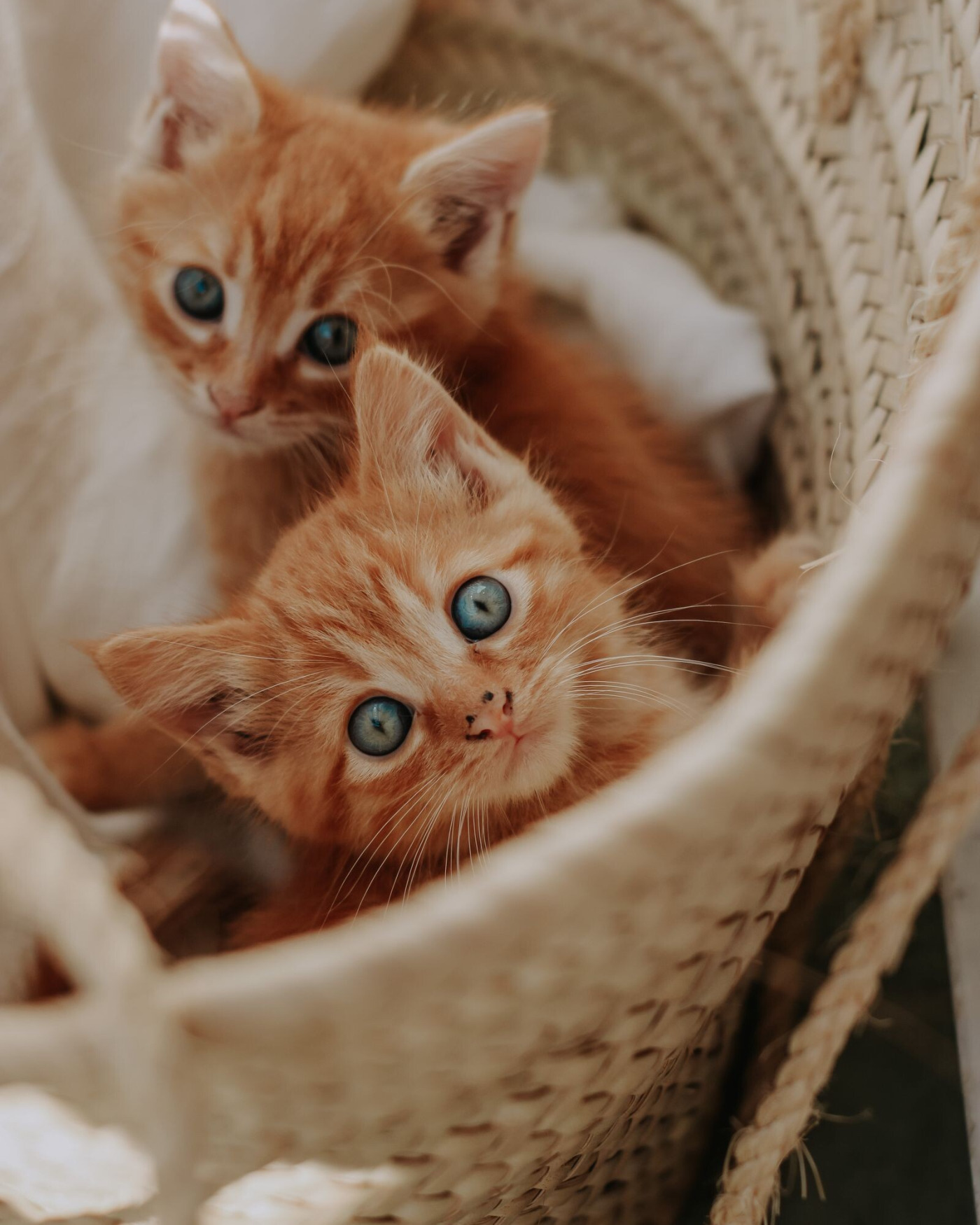
Selling a litter of kittens looks simple: take photos, name a price, wait for replies. In practice three choices decide whether it ends well: when you let the kittens go, what price you ask and how much you dare to tell in your advert. This article helps with all three.
If the litter is not there yet, first read kittens expected or newborn; socialisation in the first weeks decides what you will have to offer.
When may kittens leave?
By law kittens may not leave their mother before 7 weeks. That limit is in article 1.20 of the Dutch Animal Keepers Decree and it is a minimum, not advice. The LICG calls 14 to 15 weeks a better guideline and most Dutch breed-club rules let pedigree kittens move only at 13 to 14 weeks: by then the kittens have had their second vaccination, eat fully independently and have learned from mother and littermates how far teeth and claws may go. Why those extra weeks matter so much is explained in the seven-week rule for kittens.
Vaccinations, deworming and chip
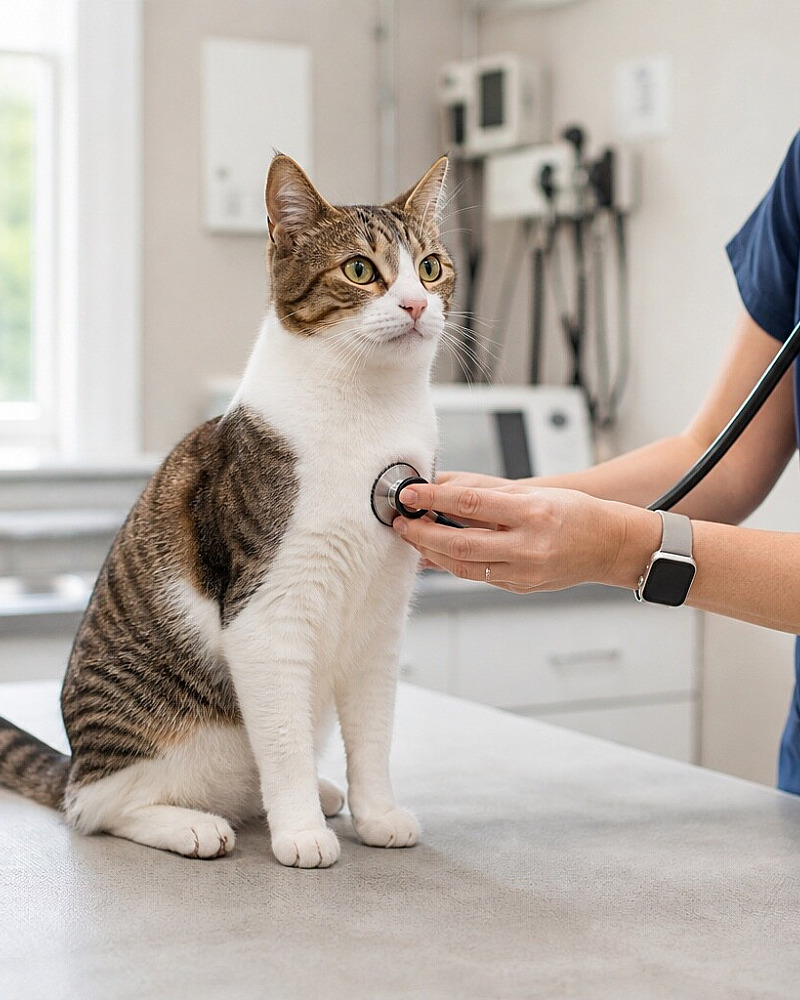
The LICG advises three vaccinations against panleukopenia and cat flu: the first at 8 to 9 weeks, the second around 12 weeks and the third around 16 weeks, so usually with the new owner. Deworming starts at 3 weeks and is repeated every two weeks until two weeks after weaning. Put the dates in your advert and hand over the booklet; the kitten vaccination schedule shows what follows. A chip is not (yet) mandatory for cats in the Netherlands, but a chipped and registered kitten can be traced if it runs off. State in your advert whether you have the kittens chipped.
A fair price
For domestic kittens a contribution to vaccination, deworming and chip costs is usual; a symbolic amount stops kittens being passed around as impulse buys. Pedigree kittens sell for considerably more, because health screening of the parents, stud fees and club costs sit behind them. Compare similar litters of the same breed before naming a figure. Buyers do their own sums; they read what a kitten costs.
What belongs in your advert
- Breed or domestic cat, date of birth and the collection date.
- Photos of the kittens and of the mother, indoors. No mother in the photos is a warning sign for buyers.
- Number of males and females, colour and the price per kitten.
- Vaccinations, deworming and whether the kittens are chipped.
- How the kittens grow up: in the living room, with children, with a dog.
- What you expect from a new owner, for example indoor only or a second cat as company.
Choosing buyers
Let candidates visit the litter and ask your own questions: indoor or outdoor, other animals, children, experience with cats. Be picky; a kitten rehomed again three months later helps no one. On Nestjes interested people join the waiting list of your litter and you assign them to a specific kitten after the birth. Selling an adult cat rather than a kitten? See selling a cat: price and handover.
Offering kittens yourself?
The selling kittens page summarises the rules and lets you post an advert for free. For a litter from a domestic cat, offering kittens is your starting point.
Sources
- Besluit houders van dieren, article 1.20 (minimum age for separating animals) (accessed September 2026)
- LICG – The kitten checklist (accessed September 2026)
- LICG – Acquiring a cat (accessed September 2026)
- NVWA – Chip, passport and registration for dogs and cats (accessed September 2026)