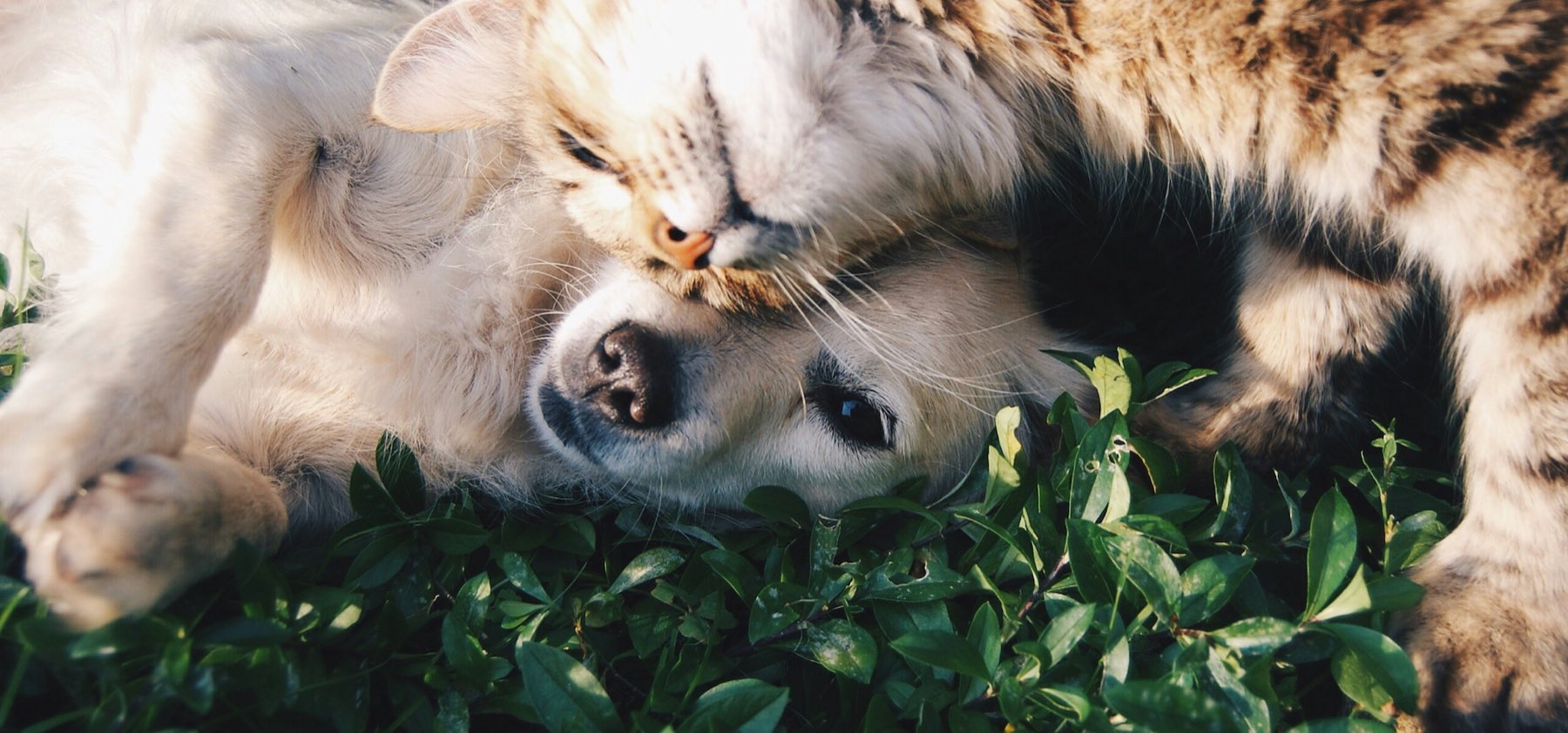
European Shorthair for sale in the Netherlands
The European Shorthair is a recognised pedigree breed developed from functional European farm and house cats. It is not simply a label for every shorthaired domestic cat. It is usually robust, active and adaptable.
Cats
European Shorthair
Get notified about new European Shorthair listings?
Receive at most one daily email when matching sale adverts become available.
This alert follows the animal type and optionally one breed and area. Other search filters, such as price, age, and distance, are not included.
No adverts found matching your filters.
Be one of the first to post your advert for free and stand a chance to win €50; sell via Nestjes and you can also win €100.
Create AdvertCharacteristics
- Origin
- Europe, with formal breed development centred in Scandinavia
- Weight
- 3.5 – 7 kg
- Life expectancy
- 14 – 18 years
- Coat
- Short, dense and weather resistant. Brush weekly
- Activity
- Moderate to high: daily hunting play, climbing and exploration
- Character
- Adaptable, alert, independent, affectionate and often a keen hunter
- Suitable for
- Active homes offering choice, enrichment and safe outdoor alternatives
A recognised breed, not a catch-all term
The European Shorthair has a pedigree standard and planned breeding history, even though its functional appearance resembles many domestic shorthairs. Character varies because the breed retains a broad, natural type. Many individuals are alert hunters that combine independence with affection for familiar people. Meet the parents where possible and assess the kitten in its home environment instead of assuming that coat colour or a sturdy outline predicts behaviour.
Activity and routine care
The short dense coat generally needs only weekly brushing, plus routine nail, dental and parasite care. Daily hunting games, climbing routes, scratching choices and food puzzles are more important than elaborate grooming. Secure outdoor space or an enclosed garden can satisfy exploration without exposing the cat to traffic and wildlife risks. Monitor weight throughout adulthood. A natural-looking build is not protection against obesity, joint strain or diabetes.
Health and choosing a breeder
No single severe hereditary disorder defines the breed, but that does not make every line automatically healthy. Discuss heart disease such as HCM, kidney disease, dental problems, longevity and unexplained early deaths among relatives. Screening should reflect findings in the family and veterinary advice. Ask for original results whenever tests are claimed and avoid breeders who use “natural breed” as a substitute for health records, appropriate vaccination, socialisation and long-term follow-up of their cats.
Related articles
 Cats
Cats
Selling a Cat: Price, Handover and What to Send Along
Private owners may sell or rehome an adult cat. How to set a reasonable price, choose a new owner and arrange the handover without loose ends.
3 min read · 16-09-2026
 Cats
Cats
Selling Kittens: Age, Price and Advert
Kittens may legally leave at 7 weeks, but the LICG advises 14 to 15 weeks. How to set the collection date, a fair price and an advert that attracts the right buyers.
3 min read · 16-09-2026
 Cats
Cats
Cat Peeing Outside the Litter Box: Causes and Solutions
Urinating outside the litter box is not revenge. Rule out disease, recognise emergencies and improve the litter-box setup step by step.
4 min read · 25-08-2026
European Shorthair in other provinces
Offering a litter of kittens yourself?
Post a free kitten advert and reach buyers across the Netherlands.