Pigeons for sale in the Netherlands
Domestic pigeons are athletic social birds that fly, bathe and form stable pair bonds. Fancy, racing and utility breeds differ in build and fitness but all need a dry spacious loft or aviary.
Birds
Pigeons
Get notified about new Pigeons listings?
Receive at most one daily email when matching sale adverts become available.
This alert follows the animal type and optionally one breed and area. Other search filters, such as price, age, and distance, are not included.
No adverts found matching your filters.
Be one of the first to post your advert for free and stand a chance to win €50; sell via Nestjes and you can also win €100.
Create AdvertCharacteristics
- Origin
- Domesticated from the rock dove of Europe, Asia and North Africa
- Length
- Usually 28–40 cm
- Life expectancy
- About 10–15 years. Sometimes older
- Noise
- Cooing and wing noise. Usually moderate volume
- Character
- Social, site-faithful, alert and pair-oriented
- Housing
- Pair or group in a dry ventilated loft or long aviary with flight opportunity
Pigeons: behaviour and suitability
Pigeons recognise partner, group, keeper and home and maintain a clear hierarchy. A found racing pigeon should be traced to its owner through the ring number, not immediately rehomed. Always assess the actual animal and, when a trade label covers several species, verify the scientific name before acquisition. Age, sex, health and previous housing can noticeably influence behaviour.
Care and housing
Provide dry draught-free resting places, flat shelves, bathing water, grit, multiple feeding points and adequate flight room. Limit dust and keep floor and drinking water hygienic to prevent respiratory and intestinal problems. Set up the complete enclosure before the animal arrives and record relevant values and daily behaviour. A sudden change in appetite, activity, breathing, posture or droppings calls for a check of the environment and, where needed, knowledgeable help.
Health and responsible acquisition
Check ring, weight, breast muscle, eyes, throat, feet and droppings and quarantine newcomers. Extreme crop, beak or feather forms may hinder eating, seeing, flying or feeding young. Ask the seller about age, origin, current care and known health problems, and ensure any documents belong to the animal offered. Never choose on colour, size or price alone, and identify a knowledgeable veterinarian or other species expert before urgent problems arise.
Related articles
 Birds
Birds
Recognising Illness in Birds
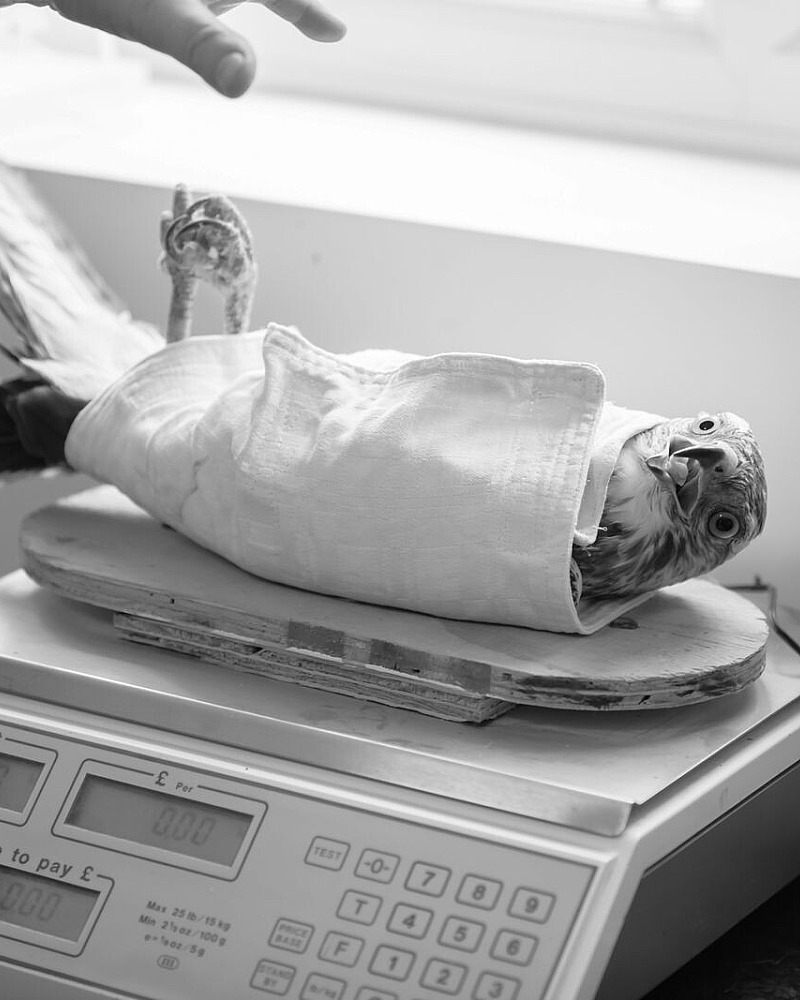
Birds can hide illness for a long time. Weight trends, droppings and breathing often reveal changes before obvious collapse.
1 min read · 11-08-2026
 Birds
Birds
Healthy Food for Parrots
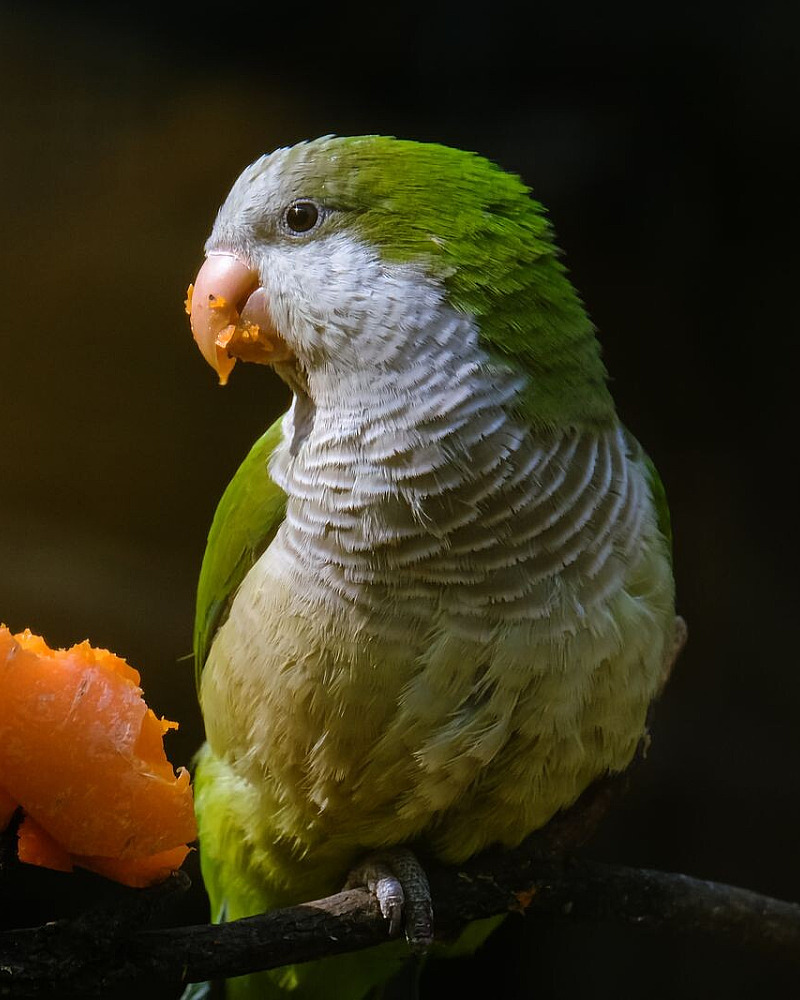
A full seed bowl can still cause deficiencies and excess weight. Build a species-appropriate diet and use food as enrichment.
1 min read · 10-08-2026
 Birds
Birds
Raising Young Birds: From Nest to Independent Eating
Young birds should move only when fully independent. Learn why weaning, parent rearing and careful handling matter.
1 min read · 26-06-2026
Pigeons in other provinces
Offering young birds yourself?
Post a free bird advert and reach buyers across the Netherlands.