Finches for sale in the Netherlands
Captive finches include small seed eaters such as zebra and Gouldian finches with different temperature and social needs. They need flight length and conspecifics and are primarily birds to observe, not cuddle.
Birds
Finches
Get notified about new Finches listings?
Receive at most one daily email when matching sale adverts become available.
This alert follows the animal type and optionally one breed and area. Other search filters, such as price, age, and distance, are not included.
No adverts found matching your filters.
Be one of the first to post your advert for free and stand a chance to win €50; sell via Nestjes and you can also win €100.
Create AdvertCharacteristics
- Origin
- For estrildid finches Africa, Asia and Australia. Other finches may occur elsewhere
- Length
- Estrildid finches usually about 7–14 cm
- Life expectancy
- Estrildid finches average about 5 years. Zebra finches sometimes about 9 years
- Noise
- Much soft chatter. Some males sing repeatedly
- Character
- Active and usually social. Exact grouping differs by species
- Housing
- Group or pair in a long flight cage or aviary with species-specific composition
Finches: behaviour and suitability
A stable group forages, bathes and rests together. Some species tolerate colonies while others defend nests. “Finch” alone is insufficient for group planning. Always assess the actual animal and, when a trade label covers several species, verify the scientific name before acquisition. Age, sex, health and previous housing can noticeably influence behaviour.
Care and housing
Provide horizontal flight, fine natural branches, bathing water and multiple feeding points. Match temperature, seed, greens and animal protein to exact species and avoid draughts and sudden climate changes. Set up the complete enclosure before the animal arrives and record relevant values and daily behaviour. A sudden change in appetite, activity, breathing, posture or droppings calls for a check of the environment and, where needed, knowledgeable help.
Health and responsible acquisition
Watch for weight loss, fluffing, tail bobbing, bald areas and a soiled vent. Ask about ring, age and group origin and do not buy from an overcrowded mixed enclosure without a quarantine plan. Ask the seller about age, origin, current care and known health problems, and ensure any documents belong to the animal offered. Never choose on colour, size or price alone, and identify a knowledgeable veterinarian or other species expert before urgent problems arise.
Related articles
 Birds
Birds
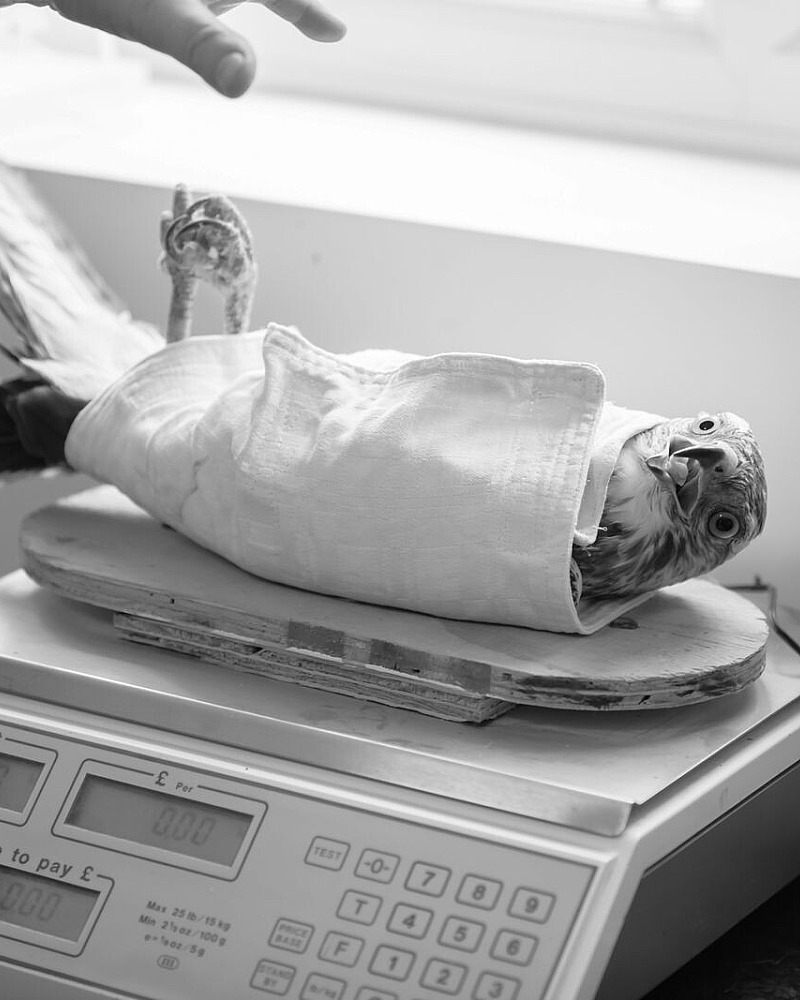
Recognising Illness in Birds
Birds can hide illness for a long time. Weight trends, droppings and breathing often reveal changes before obvious collapse.
1 min read · 11-08-2026
 Birds
Birds
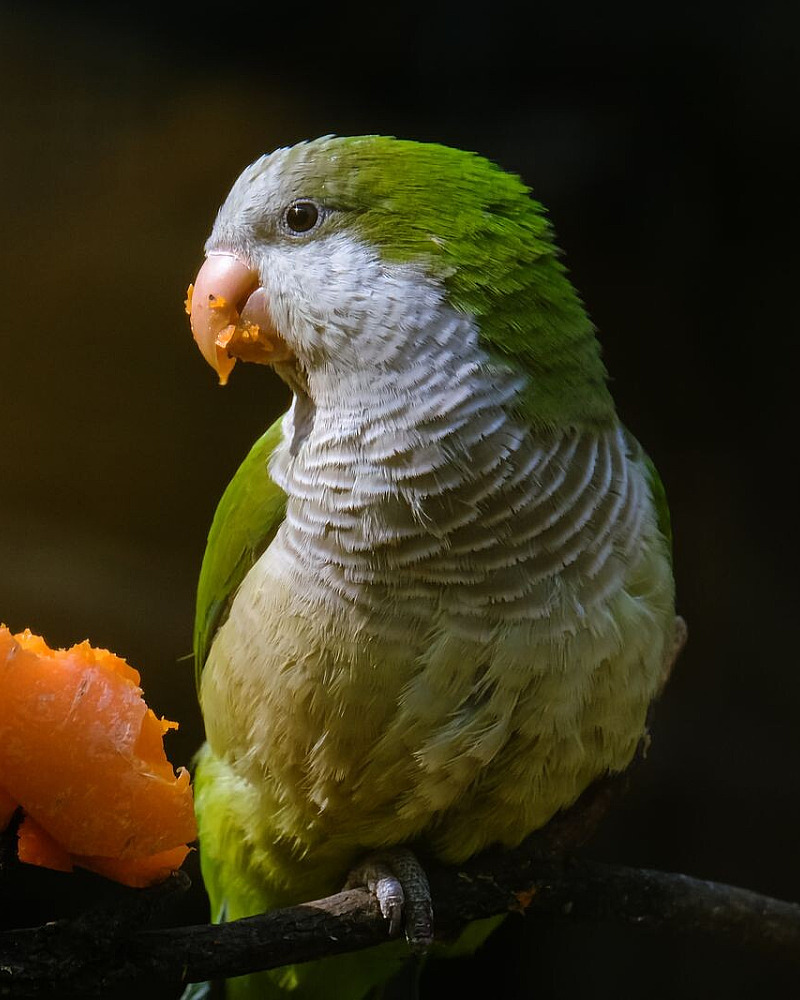
Healthy Food for Parrots
A full seed bowl can still cause deficiencies and excess weight. Build a species-appropriate diet and use food as enrichment.
1 min read · 10-08-2026
 Birds
Birds
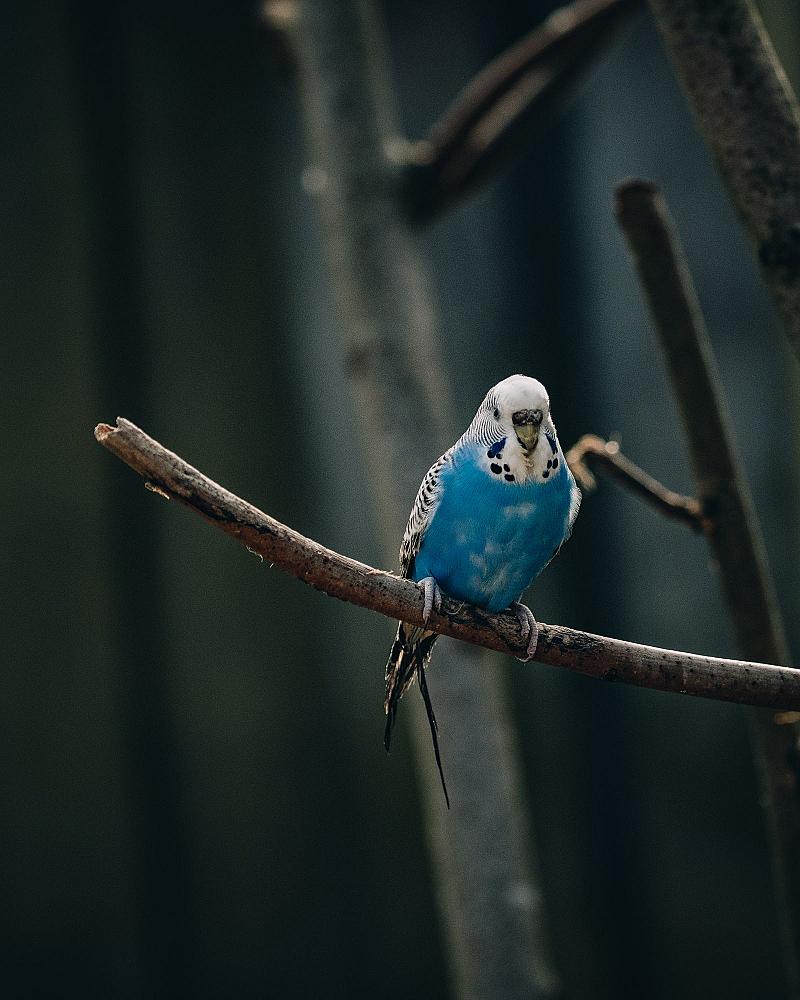
Raising Young Birds: From Nest to Independent Eating
Young birds should move only when fully independent. Learn why weaning, parent rearing and careful handling matter.
1 min read · 26-06-2026
Finches in other provinces
Offering young birds yourself?
Post a free bird advert and reach buyers across the Netherlands.