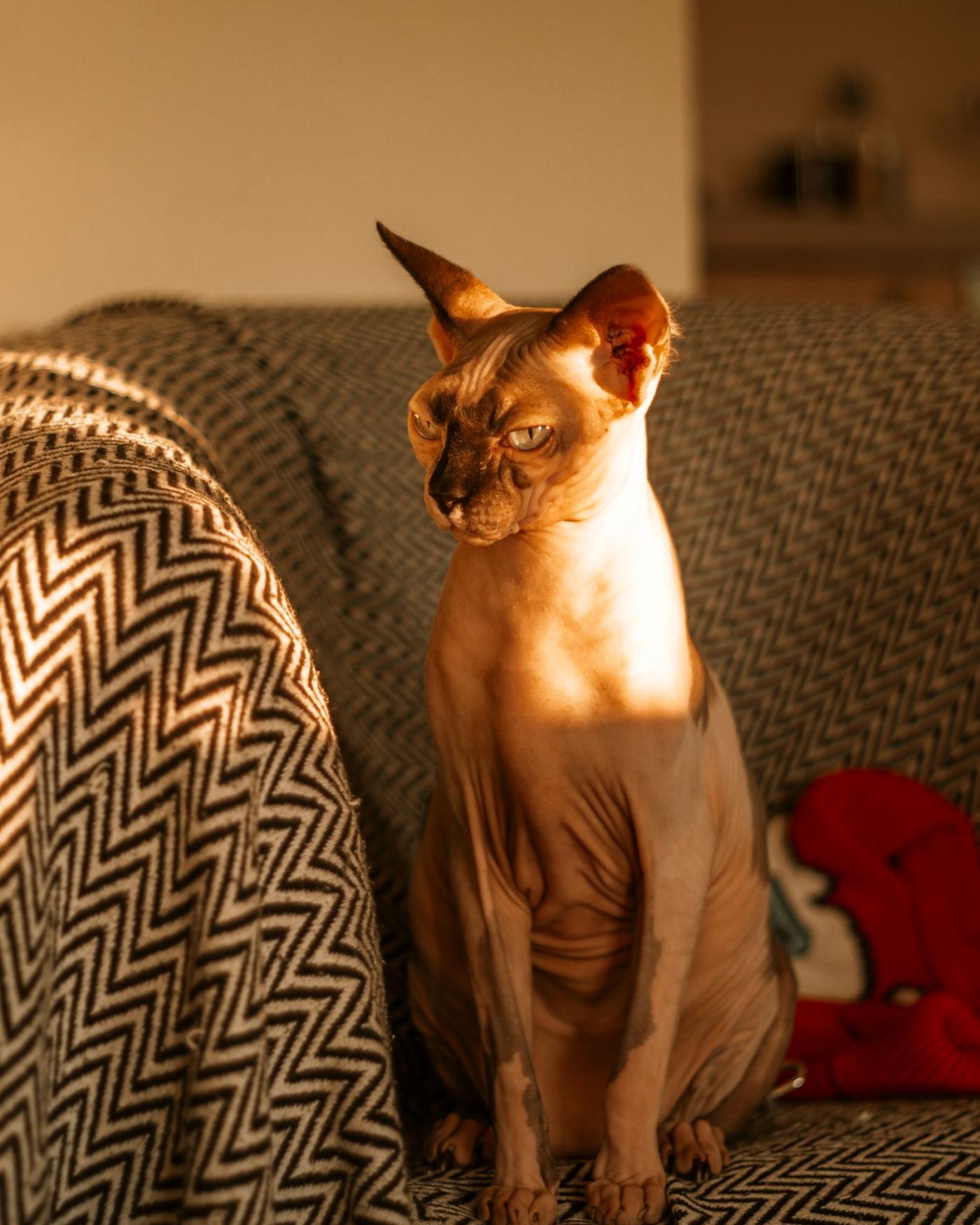
Some cat appearances are linked to welfare problems. Hairless cats can have issues with temperature regulation and skin protection, while fold-eared cats are associated with cartilage problems. Dutch policy has increasingly focused on preventing the breeding and keeping of animals with harmful traits.
What this means for buyers
Do not treat an unusual appearance as a harmless trend. Before buying any breed with extreme traits, check the current rules and ask a veterinarian about welfare consequences. A seller who minimises known health problems is not a safe source.
What this means for owners
If you already own such a cat, focus on welfare: veterinary monitoring, suitable indoor conditions and honest discussion of pain, skin, ear or movement issues. Rules can include transition arrangements, so rely on current official information for your exact situation.
Choose welfare over looks
A healthy cat does not need an extreme body to be special. When choosing a kitten, use health, behaviour and socialisation as your starting point. The guide which cat breed suits me can help you compare less extreme options.