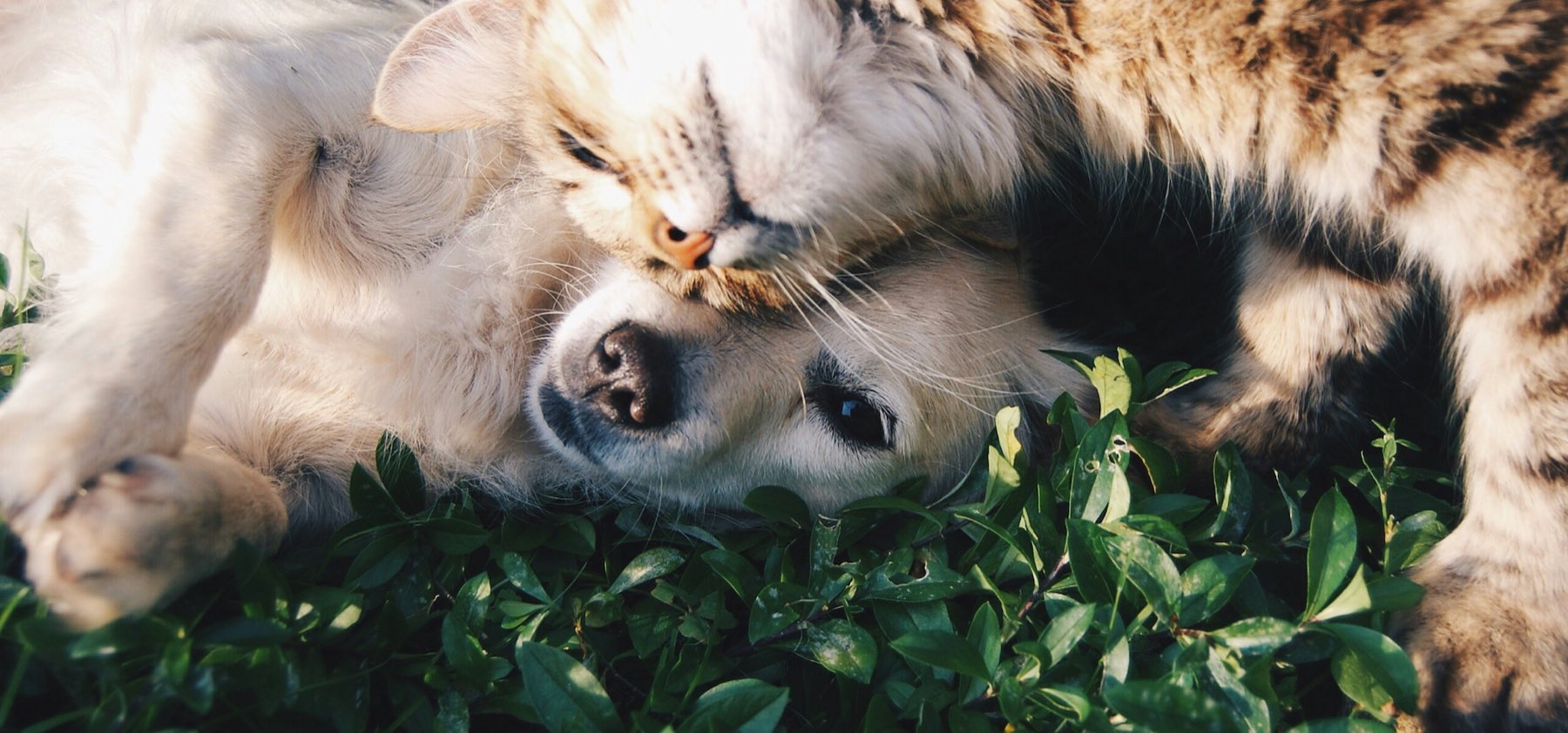
Live Bearers for sale in the Netherlands
Livebearers span several fish families and include both viviparous and ovoviviparous species. Guppies, mollies, platies and swordtails are familiar examples, but size, temperature, salinity needs and behaviour vary widely within the group.
Fish
Live Bearers
Get notified about new Live Bearers listings?
Receive at most one daily email when matching sale adverts become available.
This alert follows the animal type and optionally one breed and area. Other search filters, such as price, age, and distance, are not included.
No adverts found matching your filters.
Be one of the first to post your advert for free and stand a chance to win €50; sell via Nestjes and you can also win €100.
Create AdvertCharacteristics
- Origin
- The Americas, Africa and the Indo-West-Pacific, depending on family and species
- Length
- Strongly species-dependent. From small aquarium fish to 20 cm species and female Anableps over 30 cm
- Life expectancy
- Strongly species-dependent. Check the exact species
- Housing
- Spacious planted aquarium with swimming room. Size, temperature, water values and salinity by species
- Character
- From peaceful to busy or aggressive, males often chase females
Livebearers: behaviour and suitability
Males are often very active in pursuing females. In many species females can store sperm and produce more young later. Dense plants offer fry some cover, but the parents do not care for them. Always assess the actual animal and, when a trade label covers several species, verify the scientific name before acquisition. Age, sex, health and previous housing can noticeably influence behaviour.
Care and housing
First identify family and species. Many familiar Poeciliidae need 22–25 °C, pH 7–8.5 and moderately hard to hard water, but there are clear exceptions and some livebearers inhabit brackish or marine water. Keep more female than male Poeciliidae. Set up the complete enclosure before the animal arrives and record relevant values and daily behaviour. A sudden change in appetite, activity, breathing, posture or droppings calls for a check of the environment and, where needed, knowledgeable help.
Health and responsible acquisition
Choose active, non-thin fish with clean skin and normal swimming. Dull skin, clamped fins and slow or crooked swimming are warning signs. White spot, fin rot and columnaris occur. Always ask for current water values and exact species. Ask the seller about age, origin, current care and known health problems, and ensure any documents belong to the animal offered. Never choose on colour, size or price alone, and identify a knowledgeable veterinarian or other species expert before urgent problems arise.
Related articles
 Fish
Fish
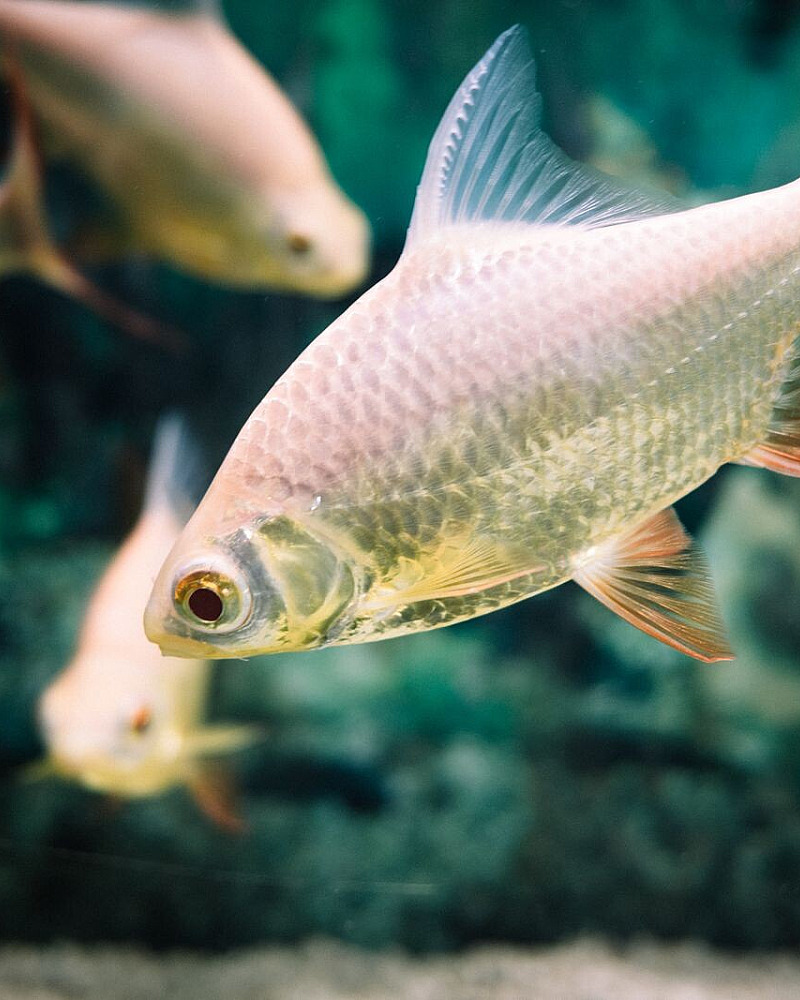
Quarantining New Fish
Apparently healthy fish can carry disease. Observe new arrivals for several weeks and keep equipment separate before introduction.
1 min read · 16-08-2026
 Fish
Fish
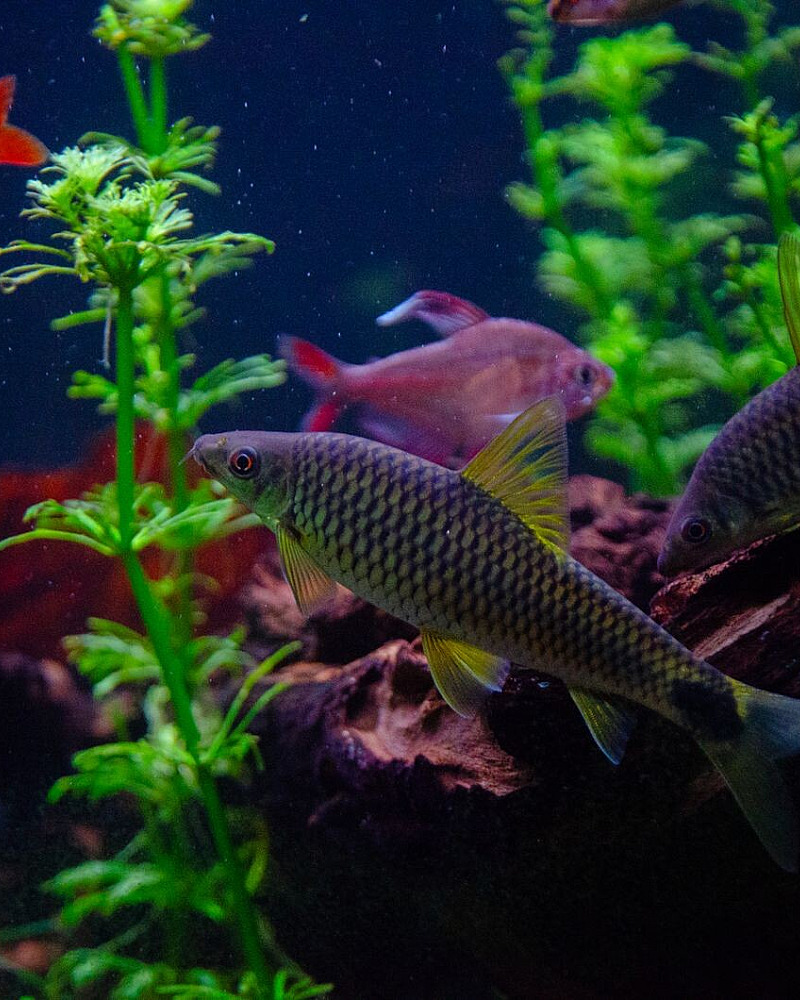
Understanding Aquarium Water Values
Clear water can still be unsafe. Learn how pH, hardness and nitrogen compounds interact and why trends beat a single result.
1 min read · 14-08-2026
 Fish
Fish
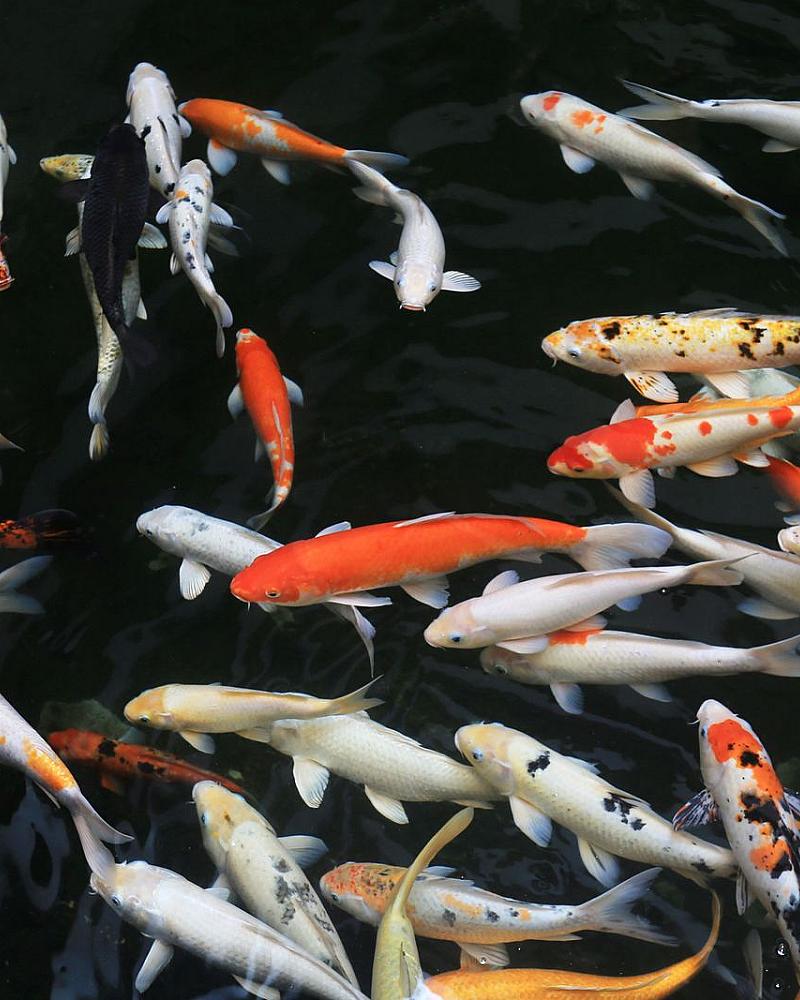
Keeping Goldfish Properly: Why the Bowl Was Never Right
Goldfish are hardy, social fish that need space, filtration and suitable companions. A bowl is not appropriate housing.
1 min read · 25-06-2026
Live Bearers in other provinces
Offering fish or home-bred young yourself?
Post a free fish advert and reach buyers across the Netherlands.